The silent era spans roughly three decades — from the Lumière brothers' first public screening in 1895 to the arrival of synchronized sound in the late 1920s — and contains some of the most inventive, visually stunning, and emotionally powerful filmmaking ever produced. These twenty films offer an introduction to the period's essential works and movements: the trick films that first revealed cinema's capacity for magic, the rise of narrative storytelling, the explosive creativity of German Expressionism and Soviet montage, the golden age of screen comedy, and the artistic peaks that still define what the medium can achieve. If you're new to silent film, start anywhere — every one of these will change your understanding of what early cinema was.
20 films


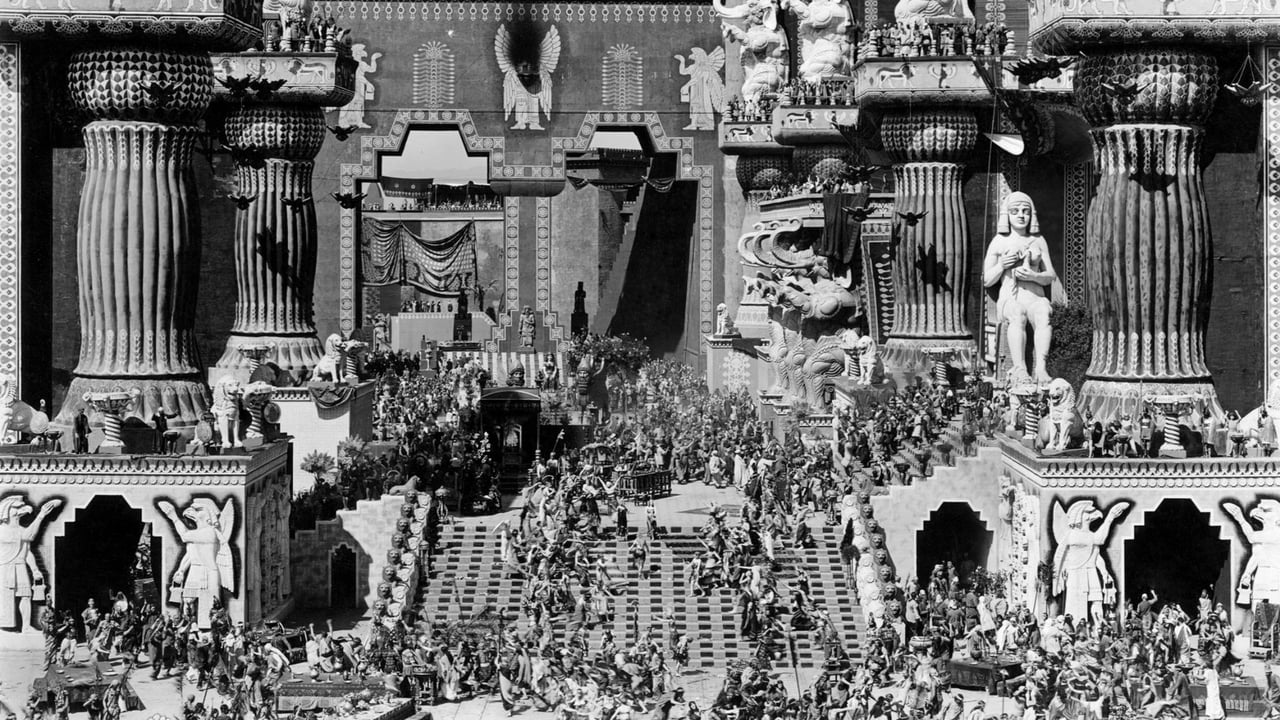
Hollywood's silent era was an age of astonishing ambition. Filmmakers mounted productions of breathtaking scale, constructing entire ancient cities on studio backlots, sending cameras to the Arctic and the jungles of Siam, and staging battle sequences with thousands of extras. These films represent cinema as spectacle in its purest form. From D.W. Griffith's colossal vision in Intolerance to the aerial dogfights of Wings and Hell's Angels, this collection showcases the grand epics, sweeping adventures, and larger-than-life productions that defined American cinema's first golden age. What unites them is a shared conviction that the movie screen could contain anything the imagination dared to attempt.
19 films


Between the world wars, France became the laboratory where cinema discovered it could be an art form on par with painting, poetry, and music. The filmmakers in this collection rejected the conventions of commercial storytelling in favor of something more ambitious: a cinema of rhythm, light, and subjective experience. They called themselves Impressionists, Dadaists, Surrealists, and sometimes refused labels altogether, but they shared a conviction that the camera could reveal truths invisible to the naked eye. The movement drew from an extraordinary range of sources. Georges Méliès had already demonstrated cinema's capacity for fantasy and illusion at the turn of the century. Louis Feuillade's hallucinatory crime serials inspired the Surrealists decades before Surrealism had a name. Abel Gance pushed montage toward a kind of visual symphony. The Impressionists, led by Germaine Dulac, Jean Epstein, and Marcel L'Herbier, pursued what they called "photogénie," the idea that cinema could capture an inner essence of objects and faces that ordinary perception missed. And when the Dadaists and Surrealists arrived, they turned the screen into a space for automatic writing, dream logic, and provocations designed to short-circuit rational thought. What makes these films so exhilarating today is their sheer inventiveness. Every formal device we associate with cinematic experimentation, from superimposition and rhythmic editing to distorted lenses and the abolition of narrative, was pioneered in this period. These filmmakers were not just ahead of their time. In many ways, the rest of cinema is still catching up.
18 films

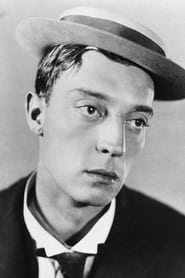
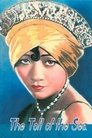
Anna May Wong was Hollywood's first Chinese American film star and one of the most consequential, and most wronged, figures in the history of cinema. Born Wong Liu Tsong in Los Angeles in 1905, she broke into films as a teenager and quickly demonstrated a screen presence that critics consistently singled out even when the films around her were mediocre. Her career is a study in paradox: she was internationally celebrated as a fashion icon and a major star in Europe, while American studios kept her trapped in stereotypical Dragon Lady and exotic villain roles, systematically denied her the leading parts she deserved. Anti-miscegenation laws literally prevented her from kissing a white co-star on screen, which effectively barred her from most romantic leads. She responded with remarkable resourcefulness, founding her own production company, traveling to Europe where she was treated as the star she was, mastering French and German to act in multiple language versions of films, and performing Shakespeare on stage opposite Laurence Olivier. She died in 1961 at fifty-six, just before the tide of history might finally have turned in her favor, but her legacy as a pathbreaker for Asian American representation in Hollywood is now rightly celebrated. The films collected here trace her career from a teenage extra to an international star, and they document both the brilliance of her talent and the constraints that prevented it from being fully realized.
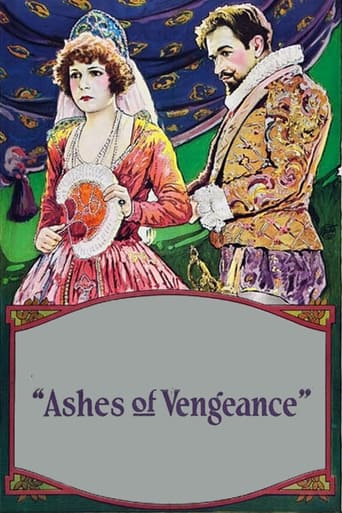
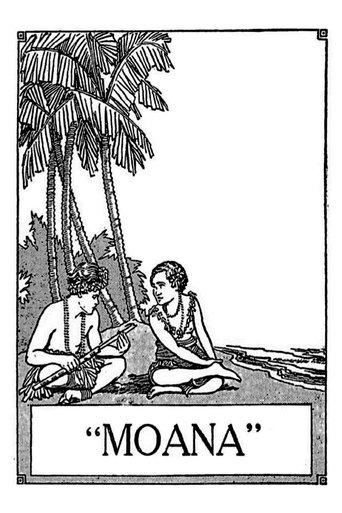
13 films


From: German Expressionism
1923 · Directed by Arthur Robison
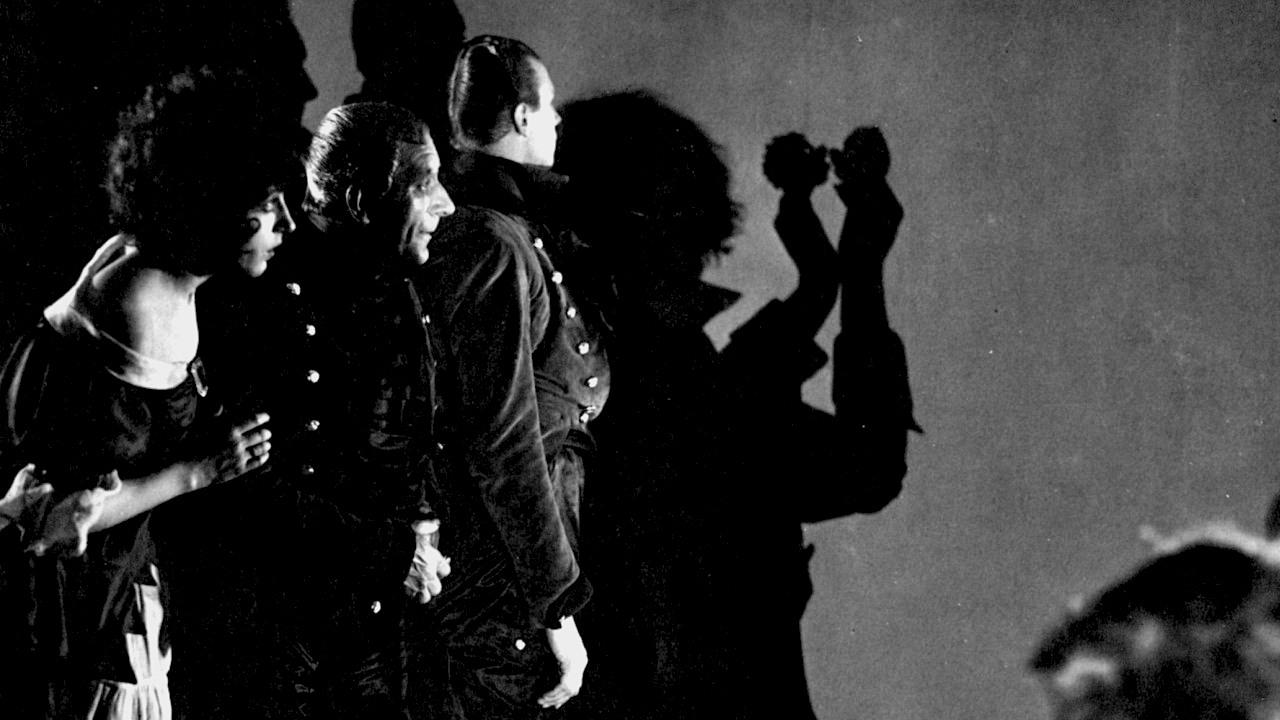
Arthur Robison's ingenious chamber drama unfolds over a single evening: a wealthy baron hosts a dinner party while his wife flirts openly with her admirers, jealousy simmering beneath the polished surface. When a traveling shadow-play artist arrives to perform, his flickering silhouettes begin to enact the guests' darkest desires and fears — adultery, murder, madness — blurring the line between fantasy and reality until no one, audience included, can tell where the performance ends and truth begins. A virtually plotless exercise in pure atmosphere and visual storytelling, the film uses no intertitles at all, relying entirely on light, shadow, and gesture. One of the most underappreciated gems of German Expressionism, and a must for anyone who thinks they've seen everything the movement had to offer.