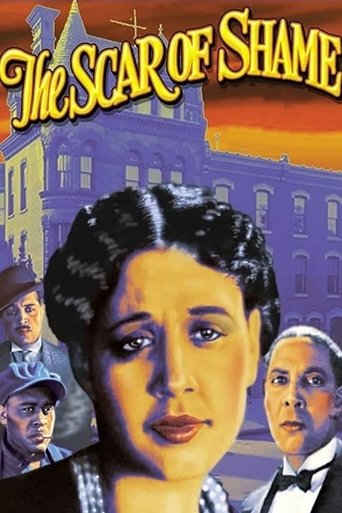
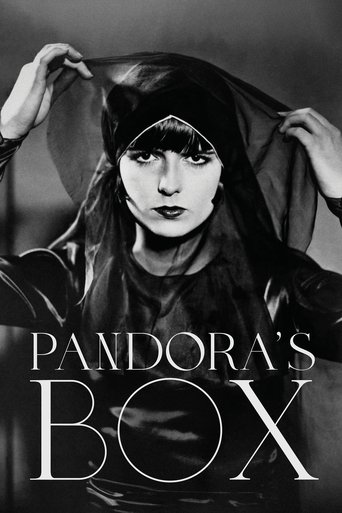
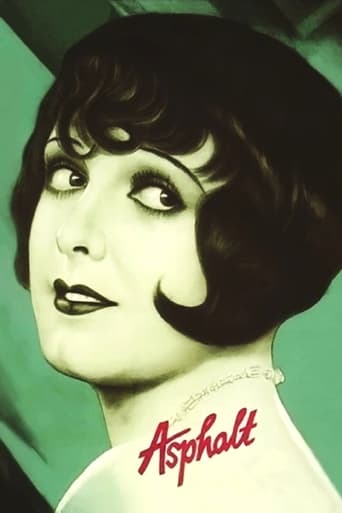
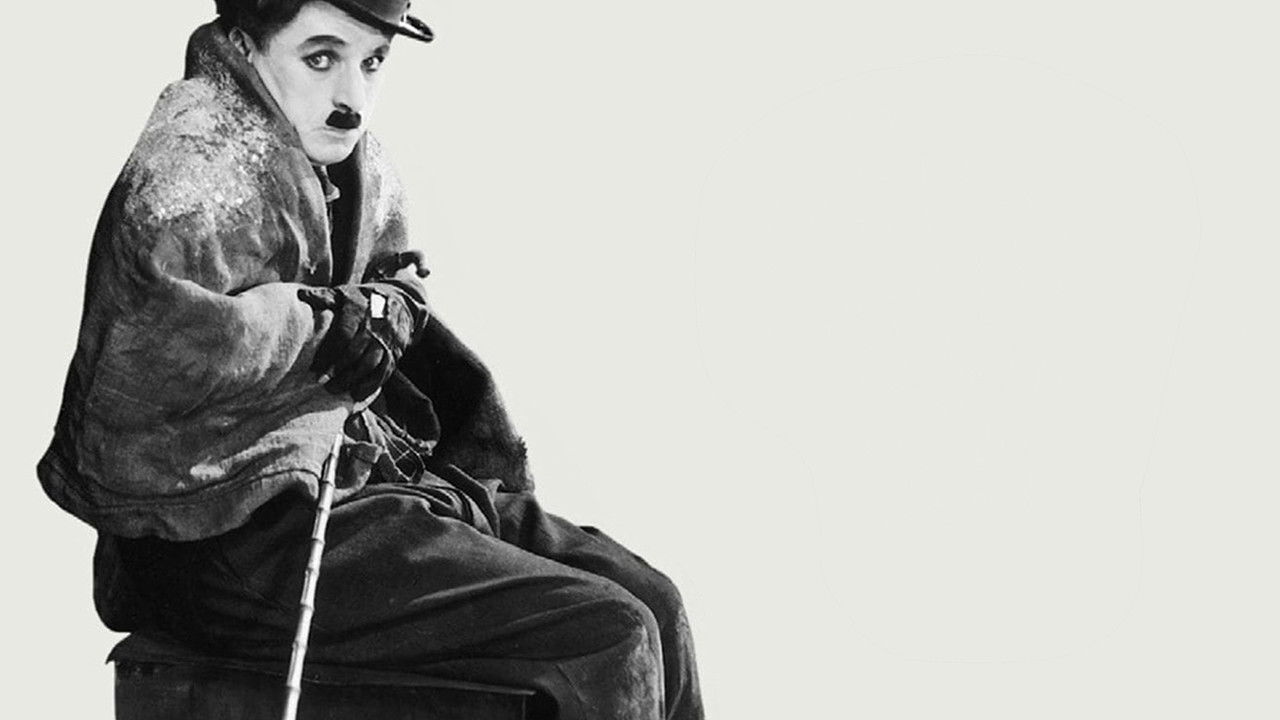
Charlie Chaplin
1889–1977
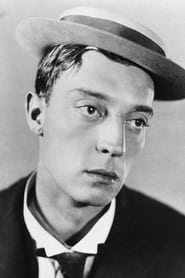
Buster Keaton
1895–1966

Alice Guy-Blaché
1873–1968
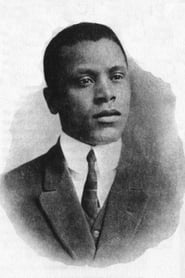
Oscar Micheaux
1884–1951
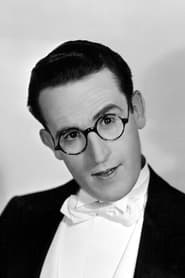
Harold Lloyd
1893–1971
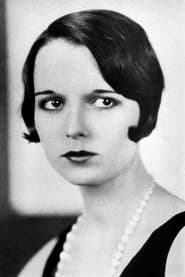
Louise Brooks
1906–1985
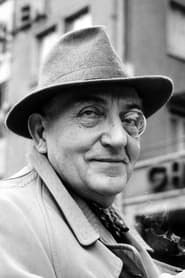
Fritz Lang
1890–1976
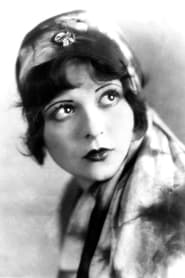
Clara Bow
1905–1965

F. W. Murnau
1888–1931

Georges Méliès
1861–1938
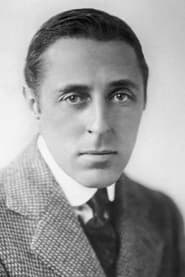
D.W. Griffith
1875–1948
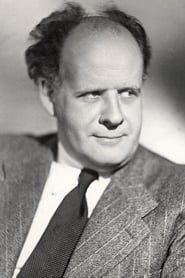
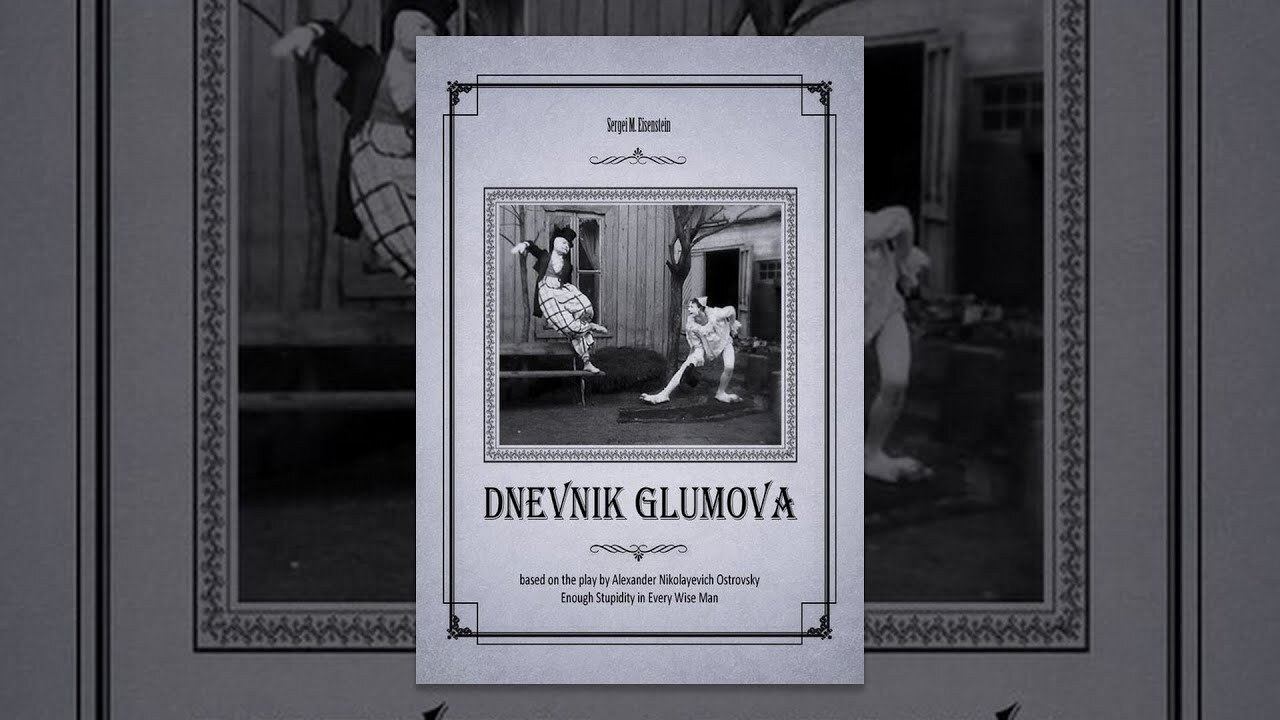
Sergei Eisenstein
1898–1948

Carl Theodor Dreyer
1889–1968
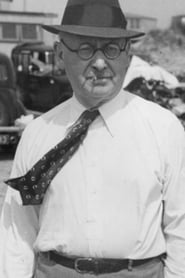
Robert Wiene
1873–1938
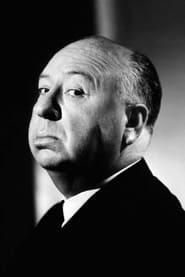
Alfred Hitchcock
1899–1980
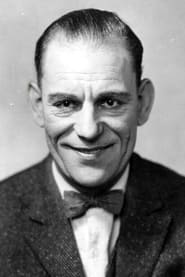
Lon Chaney
1883–1930
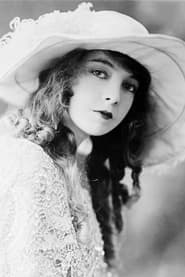
Lillian Gish
1893–1993
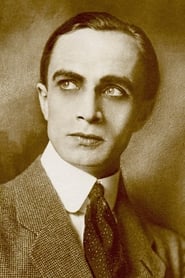
Conrad Veidt
1893–1943
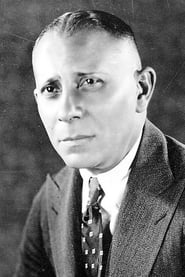
Erich von Stroheim
1885–1957
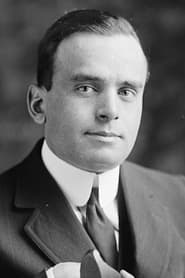
Douglas Fairbanks
1883–1939
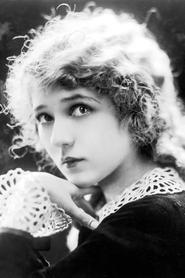
Mary Pickford
1892–1979
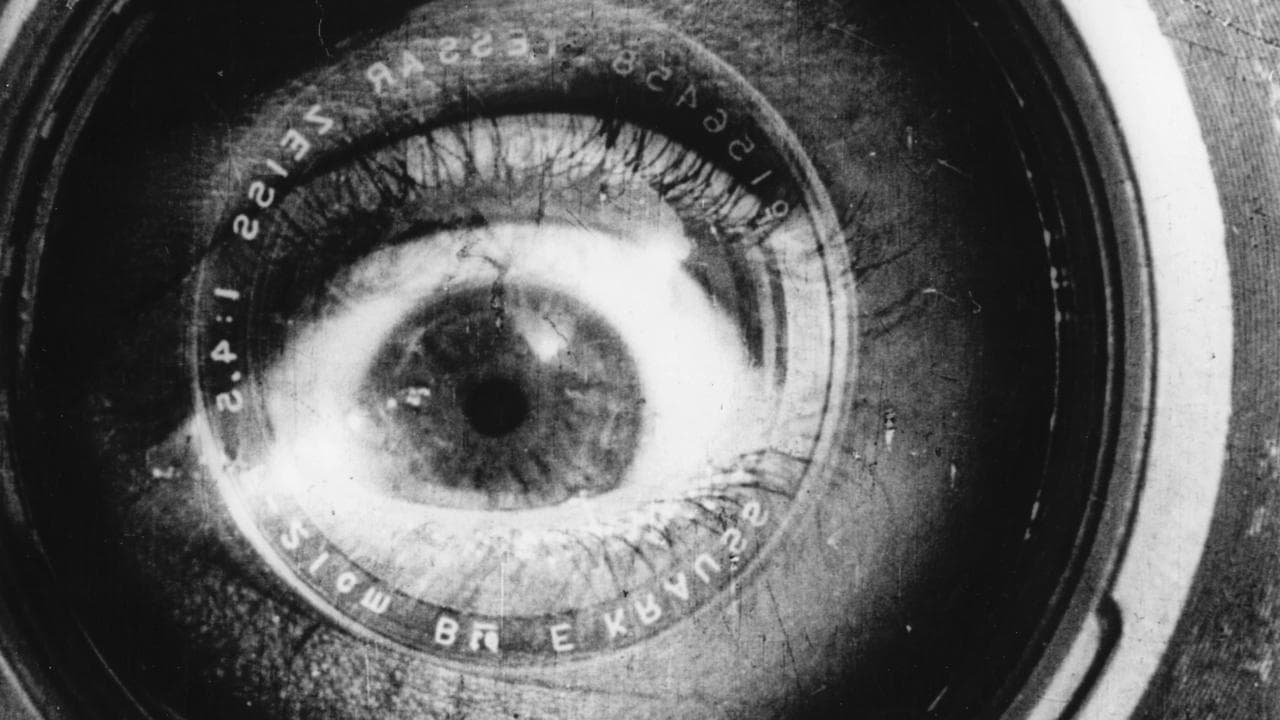
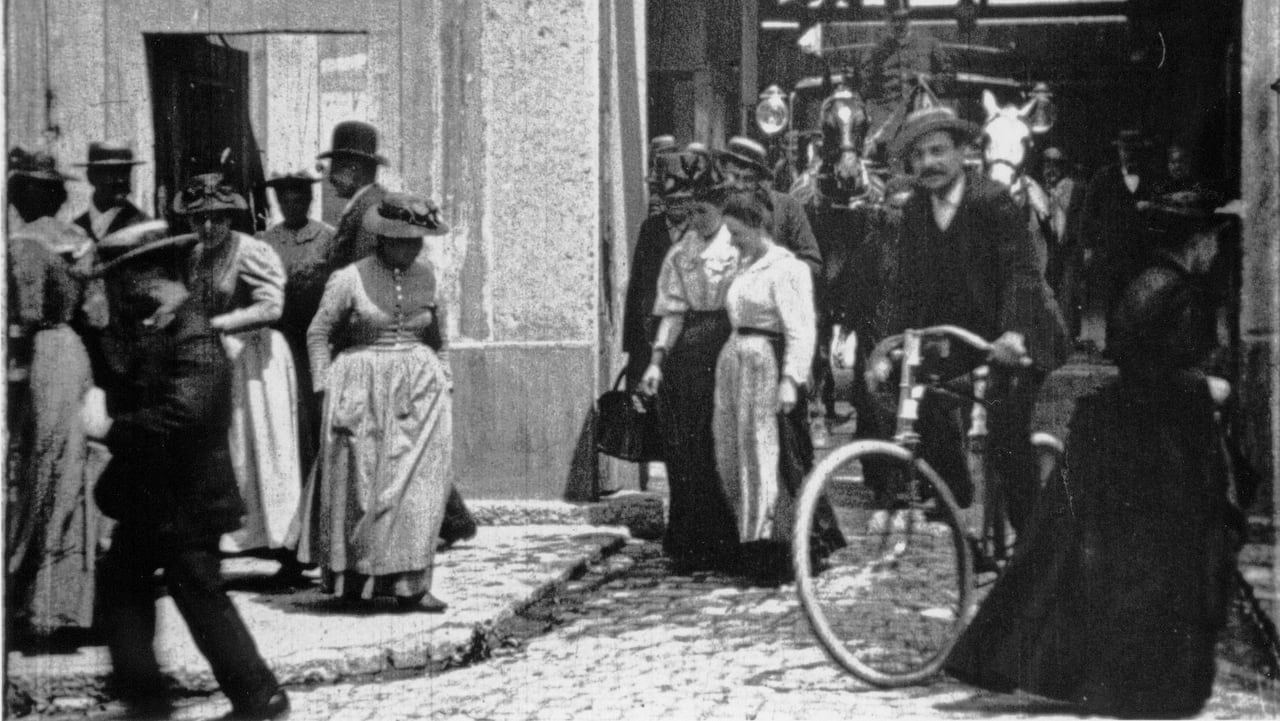
The silent era spans roughly three decades — from the Lumière brothers' first public screening in 1895 to the arrival of synchronized sound in the late 1920s — and contains some of the most inventive, visually stunning, and emotionally powerful filmmaking ever produced. These twenty films offer an introduction to the period's essential works and movements: the trick films that first revealed cinema's capacity for magic, the rise of narrative storytelling, the explosive creativity of German Expressionism and Soviet montage, the golden age of screen comedy, and the artistic peaks that still define what the medium can achieve. If you're new to silent film, start anywhere — every one of these will change your understanding of what early cinema was.
20 films
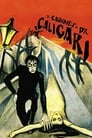
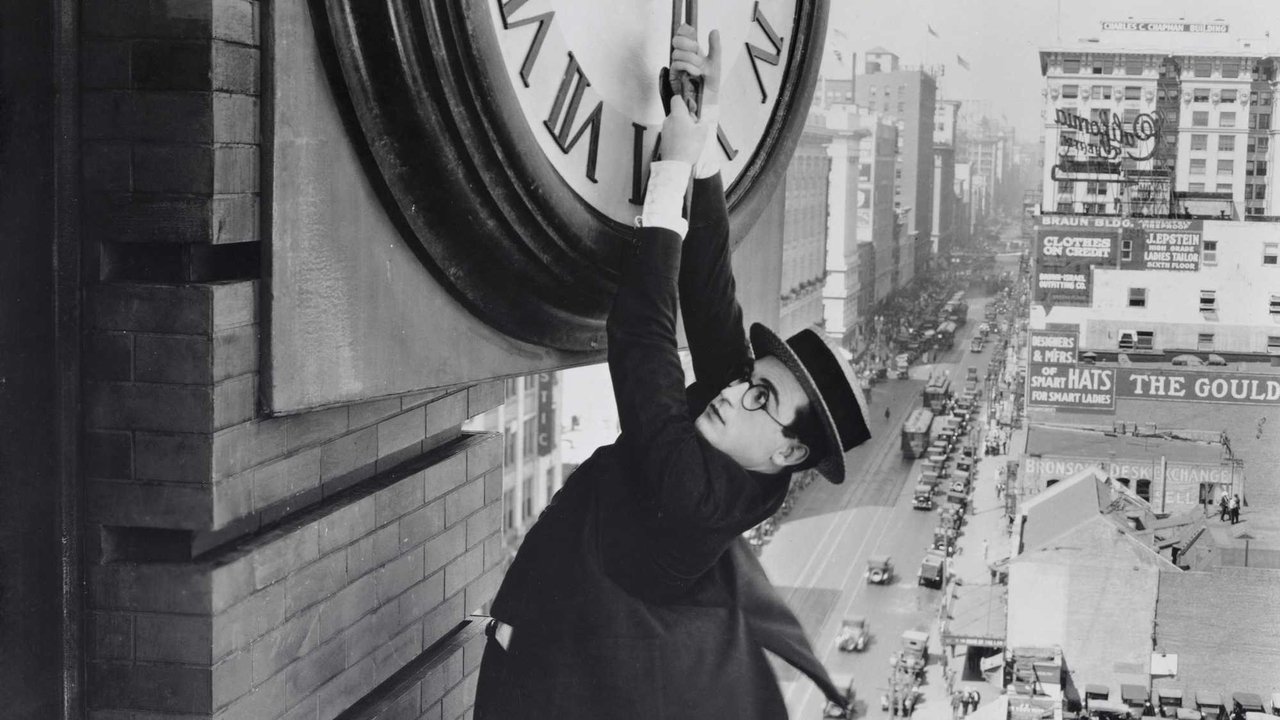
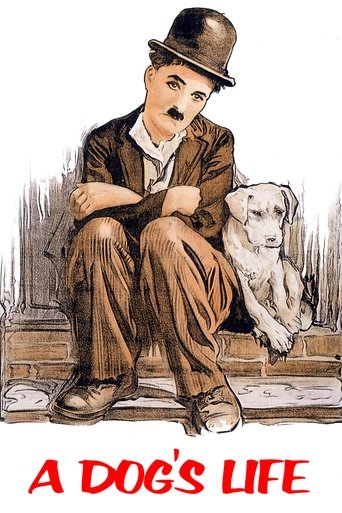
Silent comedy was the first universal language. Before Hollywood figured out how to make dramas that crossed borders, it discovered that a man falling down was funny in every country on earth, and that the best comedians could make that fall mean something. Between roughly 1914 and 1931, American screen comedy evolved from the anarchic chaos of the Keystone Cops to the most sophisticated physical storytelling the medium has ever produced, generating four undeniable geniuses (Chaplin, Keaton, Lloyd, Langdon), the greatest comedy team in history (Laurel and Hardy), and a body of work whose formal invention rivals anything the avant-garde was doing in Europe. The differences between the major comedians are as important as the similarities. Chaplin fused comedy with pathos until the two became inseparable, creating a figure (the Tramp) who could break your heart with a dinner roll. Keaton engineered gags with the precision of a mathematician and performed them with a stoicism that made the impossible look inevitable. Lloyd played the anxious, striving everyman whose comedy came from recognition rather than wonder. Langdon moved through the world with a slow, dreamy innocence that made even Chaplin nervous. And Laurel and Hardy perfected the art of reciprocal destruction, building elaborate catastrophes from the simplest possible materials: a hat, a piano, a Christmas tree. This collection traces the full arc, from Chaplin's earliest experiments with the Tramp through the towering features of the mid-twenties to City Lights in 1931, which Chaplin released as a silent film into a world that had already moved on to sound. He was right to do it. The film is perfect.
18 films
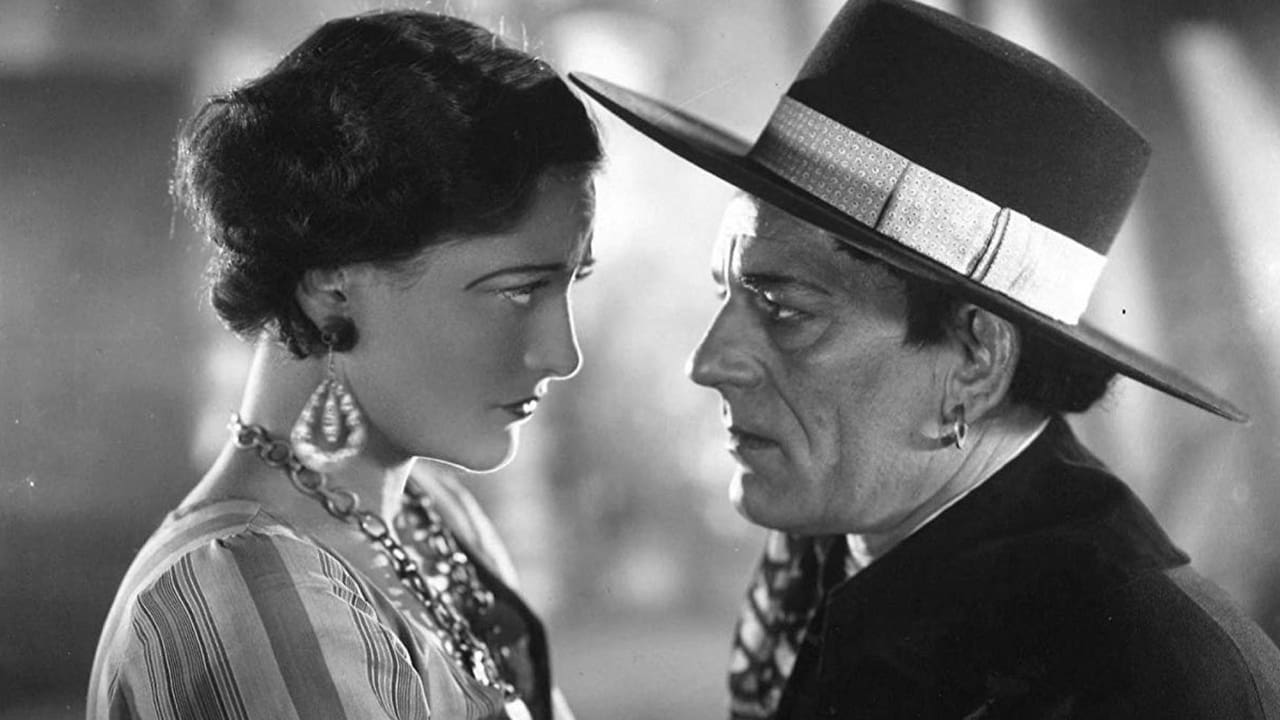
Tod Browning ran away from his Kentucky home as a teenager to join the circus, and he never really left. He worked as a contortionist, a clown, and a sideshow barker before drifting into the film industry, and the world of traveling performers, carnival grifters, and criminal outcasts became the subject of virtually everything he directed. His films are populated by people who live on the margins: thieves, con artists, sideshow acts, and men so consumed by obsession that they will mutilate themselves rather than abandon it. No other director of the period returned so consistently to the same territory, and no one else made that territory feel so authentic. Browning's greatest creative partnership was with Lon Chaney, and five of the nine films here were made together. Chaney gave physical form to the damaged, driven characters Browning imagined, enduring extraordinary discomfort to play legless crime lords, armless circus performers, and paralyzed magicians plotting revenge from the swamps of East Africa. But even without Chaney, Browning's films share a distinctive atmosphere: a fascination with deception and disguise, a sympathy for people the respectable world considers monstrous, and a willingness to push melodrama into territory so extreme it becomes something like poetry. These nine films represent Browning's silent and early sound work. His most famous productions, Dracula and Freaks, came later and are not yet in the catalog, but the creative sensibility that produced them is fully visible here. The underworld Browning built on screen was drawn from the one he had lived in, and that firsthand knowledge gives his films a texture that studio-bound directors could never replicate.
10 films
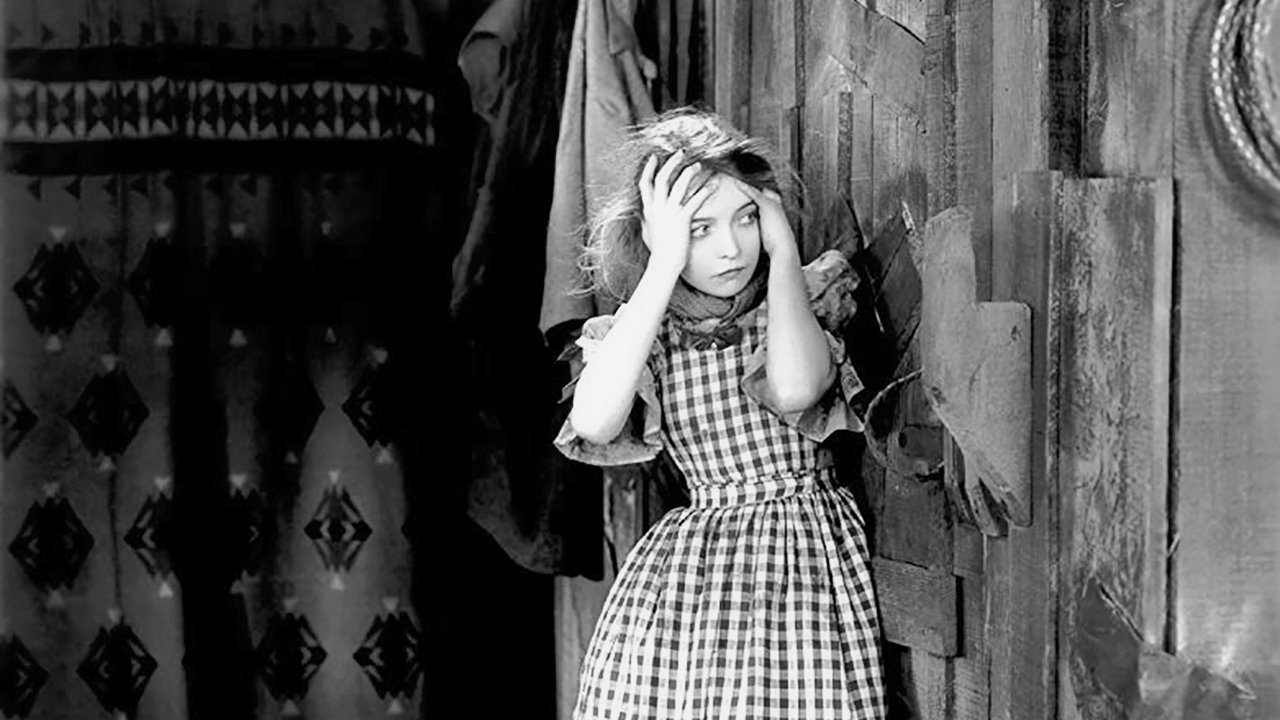
Lillian Gish is the greatest actress of the silent era, and a serious case can be made that she is the greatest screen actress of any era. She began performing on stage as a child to support her family, entered films in 1912 at the invitation of her friend Mary Pickford, and immediately became D.W. Griffith's most important collaborator — not merely his leading lady but his creative partner in developing the grammar of cinematic storytelling. She understood instinctively what the camera required: performances of radical interiority, stripped of theatrical exaggeration, built from the smallest gestures of the face and hands. Her range was extraordinary. She could play fragile innocence in True Heart Susie and ferocious maternal protectiveness in Way Down East, where she performed the famous ice-floe sequence herself in conditions that permanently damaged her hand. She brought aristocratic composure to La Bohème and The Scarlet Letter, and in The Wind she delivered what many consider the finest performance in all of silent cinema: a woman driven to madness by isolation, wind, and the violence of men, rendered with a psychological precision that anticipates the best work of the sound era by decades. Gish outlived nearly every other figure from the silent period, working steadily into her nineties, and she never stopped advocating for the art form that she had helped create. The twelve films collected here span her entire silent career, from the early Griffith one-reelers through the late MGM productions, and they constitute an unmatched record of screen acting at its highest level.
12 films
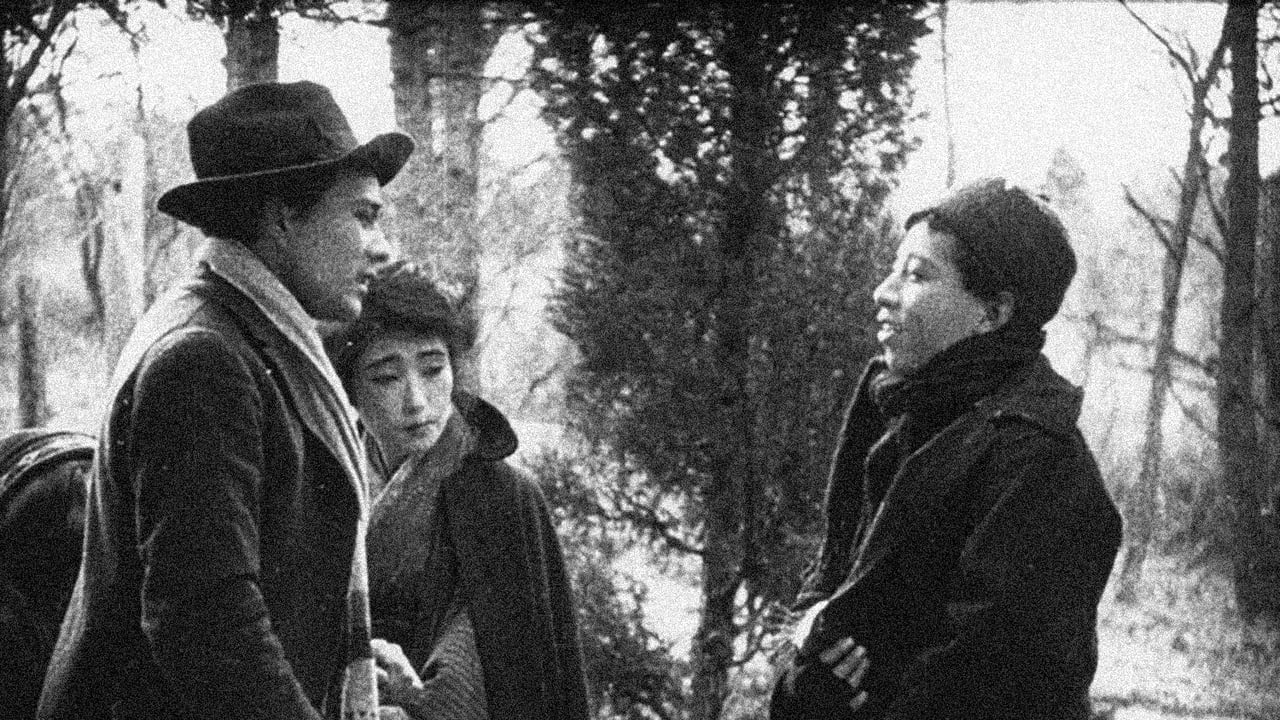
From: Japanese Early Cinema
1921 · Directed by Minoru Murata
Minoru Murata's groundbreaking drama — widely considered the first truly modern Japanese film and a pivotal moment in the country's cinematic history. Two parallel stories unfold: a prodigal son returns to his father's prosperous household seeking forgiveness, while two escaped convicts wander the snowy countryside desperate and starving. Murata weaves the stories together with a sophistication in editing and visual storytelling learned from studying D.W. Griffith and the German Expressionists, and the contrast between bourgeois comfort and crushing poverty gives the film a social conscience far ahead of most Japanese cinema of the period. The film announced that Japan was ready to join the international conversation about what movies could be, and its influence on the generation of Ozu, Mizoguchi, and Kurosawa is incalculable.