The silent era spans roughly three decades — from the Lumière brothers' first public screening in 1895 to the arrival of synchronized sound in the late 1920s — and contains some of the most inventive, visually stunning, and emotionally powerful filmmaking ever produced. These twenty films offer an introduction to the period's essential works and movements: the trick films that first revealed cinema's capacity for magic, the rise of narrative storytelling, the explosive creativity of German Expressionism and Soviet montage, the golden age of screen comedy, and the artistic peaks that still define what the medium can achieve. If you're new to silent film, start anywhere — every one of these will change your understanding of what early cinema was.
20 films

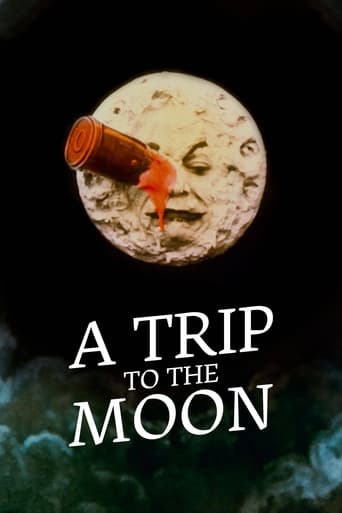
1902 · Georges Méliès
Méliès was a professional stage magician before he picked up a camera, and you can feel that in every frame — cinema, for him, was an extension of illusion, not documentation. His rocket lands in the Moon's eye, selenites explode in puffs of smoke, and the whole thing moves with the logic of a magic act rather than a story. It's four minutes long, it's over a century old, and it still genuinely delights. More importantly, it established something that took decades to fully appreciate: that the camera is not obligated to record reality. It can fabricate it entirely. Every special effects sequence ever filmed descends from this.

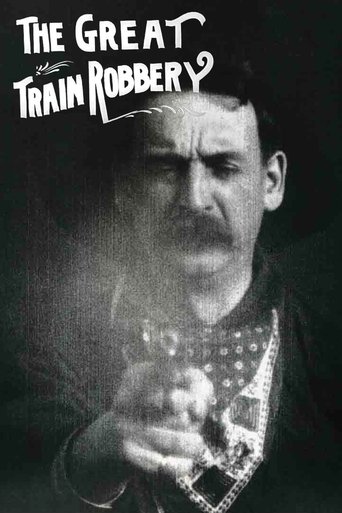
1903 · Edwin S. Porter
If Méliès proved cinema could create fantasy, Porter proved it could tell stories — and the difference between those two achievements is the difference between a toy and an art form. The Great Train Robbery crosscuts between simultaneous actions, moves its camera to follow characters through space, and stages a scene in genuine outdoor locations rather than on a painted stage. None of these techniques were strictly "firsts," but Porter combined them into something that felt, for the first time, like narrative filmmaking. The famous final shot — a bandit firing directly at the audience — isn't just a gimmick. It's cinema announcing that it knows you're watching.

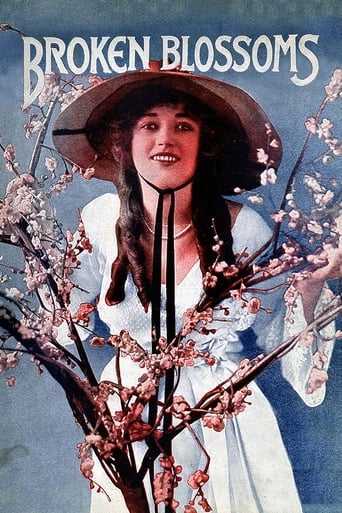
1919 · D.W. Griffith
Griffith is the most consequential and most problematic figure in early cinema — he essentially invented the grammar of narrative film, and he used it to tell stories whose racial politics were often indefensible. Broken Blossoms is the best way into his work: an intimate, fog-drenched melodrama set in London's Limehouse district, small in scale where Birth of a Nation was enormous, and built around Lillian Gish's performance as an abused girl. The closet scene — where she spins in terror as her father breaks down the door — is acting so physically committed that it remains difficult to watch over a century later. Griffith's soft-focus photography and tinted lighting made this the most visually sophisticated film of its year.

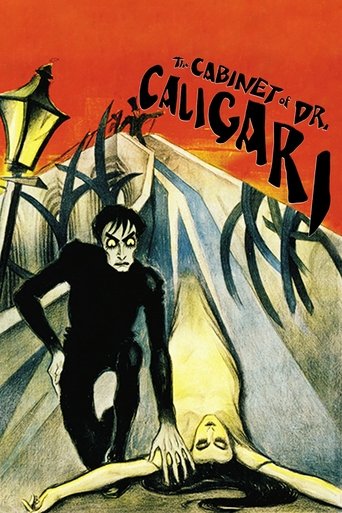
1920 · Robert Wiene
The film that launched German Expressionism and, with it, the idea that a film's visual design could express psychological states rather than simply depict physical reality. Hermann Warm's jagged, tilted sets don't represent any place that exists — they represent a mind coming apart. The framing device, which initially seems like a conventional wraparound, turns out to be doing something far more radical: it asks you to question whether anything you've watched is true. Caligari is the first film to make the audience's own perception unreliable, and the implications of that move are still being explored by filmmakers today.

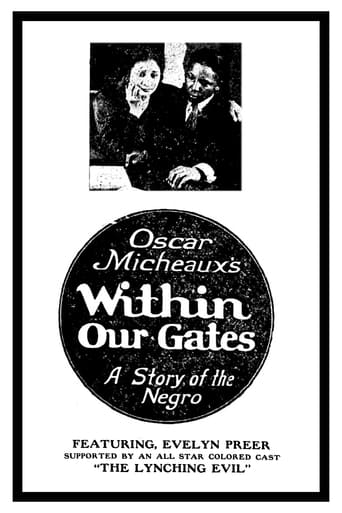
1920 · Oscar Micheaux
Oscar Micheaux was a self-taught novelist-turned-filmmaker working outside the studio system with virtually no resources, and he made the most politically confrontational American film of the 1920s. Within Our Gates is a direct response to Griffith's Birth of a Nation — where Griffith mythologized white supremacy, Micheaux depicted the reality of lynching, exploitation, and systemic injustice with an unflinching clarity that got the film banned in several cities. It is the oldest surviving film by a Black American director, and it exists at all only because a single print was found in Spain decades later. Its survival feels almost miraculous. Its content feels almost unbearably current.

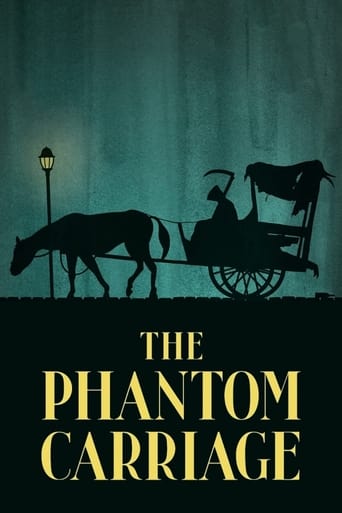
1921 · Victor Sjöström
Sjöström's film opens with a legend: the last person to die on New Year's Eve must drive Death's carriage for the following year, collecting souls. From that premise, he built a ghost story of extraordinary technical and emotional sophistication. The double-exposure photography — transparent specters moving through the solid world — was the most advanced visual effect anyone had achieved, and Sjöström used it not for spectacle but for devastating emotional effect. The film's structure, which moves fluidly between past and present, influenced everything from Bergman (who called it the film that shaped his life) to Kubrick's The Shining. It's also, beneath the supernatural machinery, a brutally honest film about alcoholism and the damage one person can do to everyone around them.

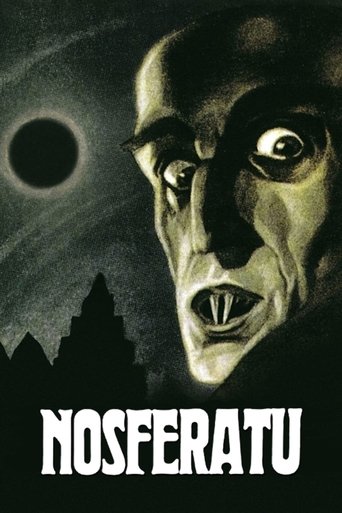
1922 · F. W. Murnau
Murnau couldn't get the rights to Dracula, so he changed the names and made something far more disturbing than a faithful adaptation would have been. Count Orlok is not seductive — he's a contagion in human form, all wrong proportions and involuntary movements, and Max Schreck's performance is so committed to the inhuman that rumors persisted for decades that he actually was a vampire. Murnau broke with German Expressionist convention by shooting extensively on location, then used those real landscapes to make the supernatural feel invasive, as if something fundamentally wrong had entered the natural world. The result is the founding text of screen horror, and its central image — Orlok's shadow climbing the staircase — remains the most economical expression of dread cinema has produced.

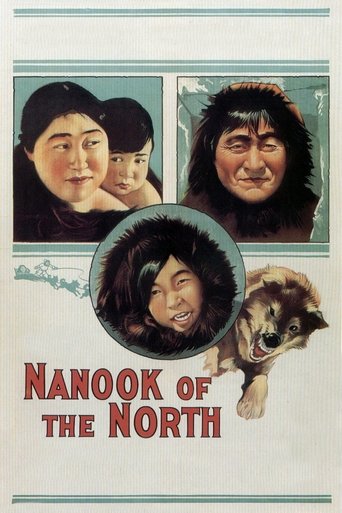
1922 · Robert Flaherty
Flaherty lived with an Inuit family in northern Quebec and filmed their daily activities — hunting, building igloos, navigating impossible cold — with a patience and intimacy that created an entirely new form. Yes, much of it was staged. Yes, Flaherty's romanticization of his subjects raises questions we're still arguing about. But what he discovered was something no one had articulated before: that the camera, pointed at real people in real places with enough time and attention, could produce something as compelling as any fiction. Every documentary ever made is working within the framework Flaherty built here, whether it acknowledges him or argues against him.

1923 · Fred C. Newmeyer, Sam Taylor
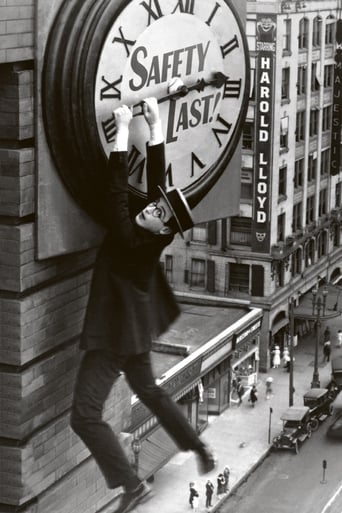
Harold Lloyd was the most commercially successful comedian of the silent era — more popular than Chaplin or Keaton at the box office — and Safety Last! is the film that explains why. The building-climbing sequence, with Lloyd dangling from a clock face twelve stories above the street, is the most famous set piece of the 1920s, but what makes it work is the escalation: each floor introduces a new obstacle more absurd and dangerous than the last, and Lloyd's genius is that he plays it not as a daredevil but as a completely ordinary person in way over his head. That's his great insight — he's the everyman who got there by accident, and the comedy comes from recognition rather than admiration. You laugh because you'd be exactly that terrified.

1924 · Buster Keaton
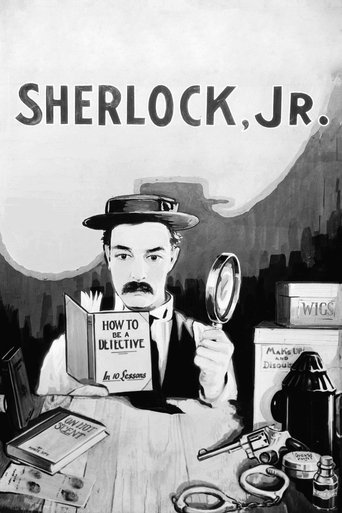
A movie theater projectionist falls asleep and dreams himself into the film he's projecting. That's the premise, and what Keaton does with it is sixty years ahead of its time — this is a film about cinema itself, about the relationship between the viewer and the screen, made in 1924 with the vocabulary of a medium that was barely twenty years old. The sequence where Keaton steps into the movie screen and the backgrounds keep cutting around him while he remains in continuous action is one of the most technically audacious things anyone has ever filmed. It's also, like all of Keaton's best work, built on a profound physical intelligence: the gags are precisely engineered machines that happen to look like accidents.

1924 · Raoul Walsh
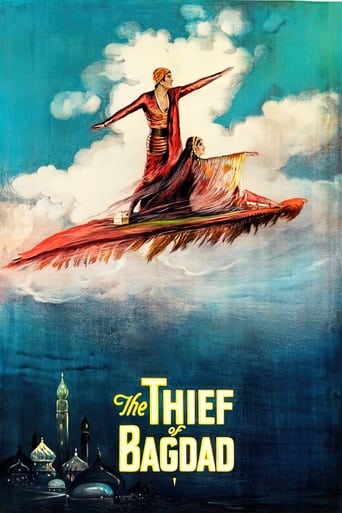
Douglas Fairbanks was the biggest movie star in the world, and he used that power to build the most extravagant production Hollywood had yet attempted — six-and-a-half acres of sets, a flying carpet rigged with piano wire, an underwater city, a winged horse, and an army of extras. The result is pure, unapologetic spectacle: a fairy tale played at full tilt by a man whose athletic charisma was so enormous that he could make leaping over a crowd of soldiers look like the most natural thing in the world. The Thief of Bagdad is the film that proved cinema could create entire worlds from scratch, and its influence runs directly through to every big-budget fantasy film that followed.

1925 · Sergei Eisenstein
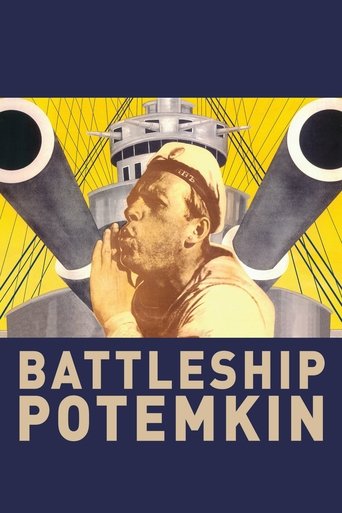
Eisenstein was twenty-seven years old when he made this, and he essentially reinvented film editing in the process. The Odessa Steps sequence — soldiers advancing, a baby carriage bouncing down the stairs, civilians cut down in geometric patterns — is the most analyzed sequence in cinema history, and for good reason: Eisenstein demonstrated that meaning in film is created not within individual shots but in the collision between them. That's the theory of montage, and its implications are still being worked out. The film was commissioned as Soviet propaganda, and it is propaganda — brilliantly effective propaganda — but the formal innovations transcend the politics entirely. Every action sequence, every music video, every film that uses editing to generate emotion rather than simply record events, is working in Eisenstein's shadow.

1925 · Charlie Chaplin
Chaplin's Tramp, starving in a snowbound cabin in the Klondike, cooks and eats his boot with the delicacy of a gourmet meal — twirling the laces like spaghetti, sucking the nails like chicken bones. It is one of the most famous scenes in cinema, and it captures exactly what Chaplin could do that nobody else could: fuse comedy and pathos so seamlessly that you laugh and ache simultaneously. The Gold Rush is Chaplin's purest silent film — funnier than City Lights, more focused than Modern Times — and the dinner roll dance, performed for a woman who isn't watching, might be the most perfect minute of physical comedy ever recorded.

1925 · Rupert Julian
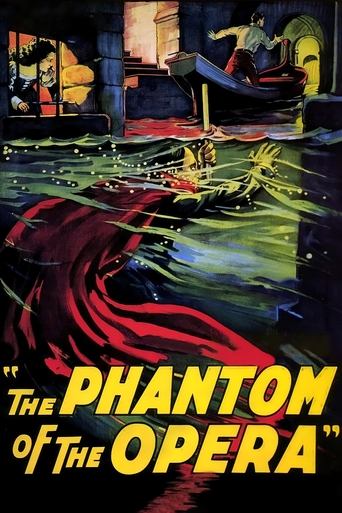
Lon Chaney designed his own makeup for the Phantom, using wire to distort his nostrils, pins to reshape his eyelids, and a device to pull back his cheeks — a process reportedly so painful that he could only endure it for short periods. The result is horror cinema's first great icon, and the unmasking scene, when Christine pulls away the Phantom's mask to reveal that ruined face, provoked screaming in theaters and fainting in the aisles. The scale of the production is enormous — the Paris Opera set was built at full size on a Universal soundstage and stood for decades afterward — but it's Chaney's performance that endures: half monster, half wounded romantic, entirely committed to the physical reality of a character who lives in the dark.

1926 · Buster Keaton, Clyde Bruckman
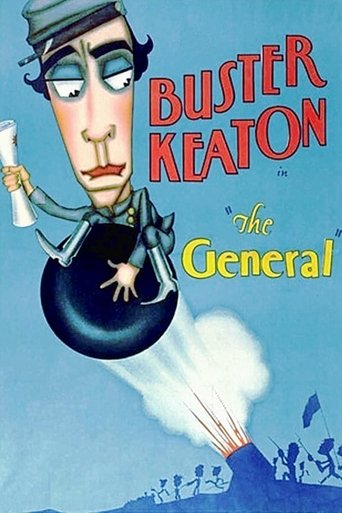
Keaton bought real Civil War-era locomotives, laid miles of narrow-gauge track in rural Oregon, and staged a chase sequence of such logistical complexity that it remains the most expensive comedy of the silent era. The famous shot of a locomotive collapsing through a burning bridge was done in a single take with a real train — there was no second attempt, because there was no second train. That commitment to physical reality is Keaton's defining characteristic: every stunt is real, every gag is engineered with mathematical precision, and the deadpan face at the center of the chaos is the funniest and most stoic thing in cinema. The General was a commercial failure on release. It is now regularly cited as the greatest comedy ever made. Both facts tell you something about Keaton's relationship with his audience.

1927 · Fritz Lang
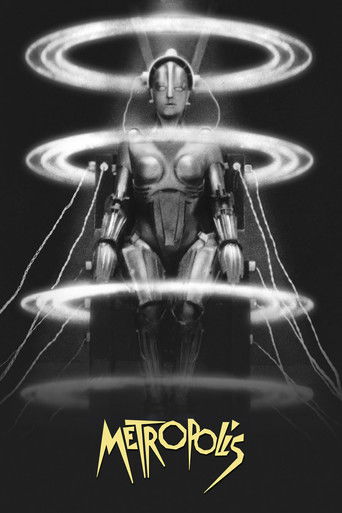
Fritz Lang spent over a year and an unprecedented budget building a vision of the future that cinema has never managed to escape. The stratified city — workers underground operating machines they don't understand, elites above in pleasure gardens — has been absorbed so completely into visual culture that it's hard to appreciate just how radical it was. The Machine-Man transformation sequence, the flooding of the workers' quarters, the rooftop chase across the cathedral — these images have been echoed in everything from Blade Runner to Star Wars to every music video that's ever tried to look futuristic. The politics are debatable (the "heart must mediate between hand and brain" is a famously vague thesis), but as pure visual imagination, nothing in cinema had approached this before.

1927 · F. W. Murnau
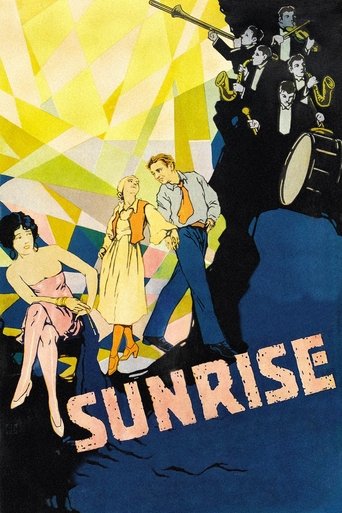
Murnau came to Hollywood with a blank check from Fox and made what many critics consider the single greatest film of the silent era. The story is almost absurdly simple — a farmer is tempted to murder his wife, repents, and the two rediscover their love over the course of a day in the city — but Murnau's camera moves through it with a fluidity that wouldn't become standard practice for decades. The marsh scene, shot through a fog of expressionist lighting, the tracking shot through the city streets, the storm at the climax — the technical innovations are constant, but they never feel like technique. They feel like emotion made visible. Sunrise won the Academy Award for "Unique and Artistic Picture" at the first ceremony, a category that existed for exactly one year and was then retired, as if the Academy knew it had been invented for this film alone.

1928 · Carl Theodor Dreyer
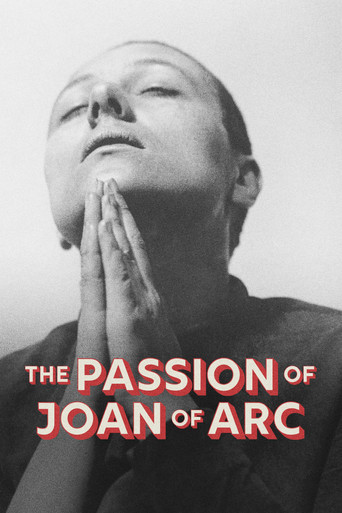
Dreyer stripped away everything cinema usually relies on — sets, establishing shots, conventional editing rhythms — and left only the human face. Maria Falconetti, a stage comedienne who had never made a major film and never would again, delivers what is routinely called the greatest performance in cinema history, and the superlative is earned. Shot almost entirely in close-up, without makeup, against white backgrounds, her Joan registers every moment of the trial — fear, defiance, doubt, ecstasy — with an emotional transparency that feels almost like an invasion of privacy. The film was thought lost for decades until a complete print was discovered in a Norwegian mental institution in 1981. Its survival is one of cinema's great miracles.

1929 · G.W. Pabst
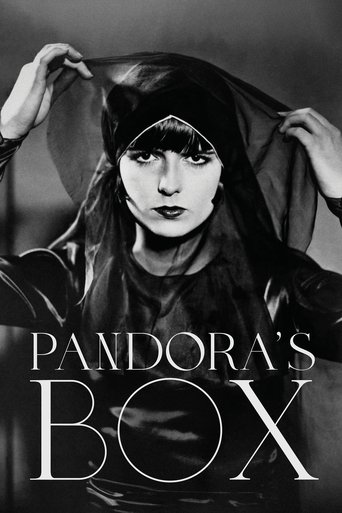
Louise Brooks arrived in Berlin from Hollywood as a contract player whose studio considered her difficult, and she left as the icon of an era. As Lulu — a woman whose sexuality destroys everyone it touches, including herself — she gives a performance of such unself-conscious modernity that she looks like she wandered in from a film made fifty years later. Pabst frames her with a clarity that borders on worship, but the film is ruthless: Lulu's trajectory from kept woman to fugitive to victim of Jack the Ripper is a portrait of Weimar-era desire and moral collapse rendered with devastating precision. Brooks made one more film with Pabst, then returned to Hollywood, where no one knew what to do with her. Her rediscovery decades later is one of cinema's great corrective acts.

1929 · Dziga Vertov
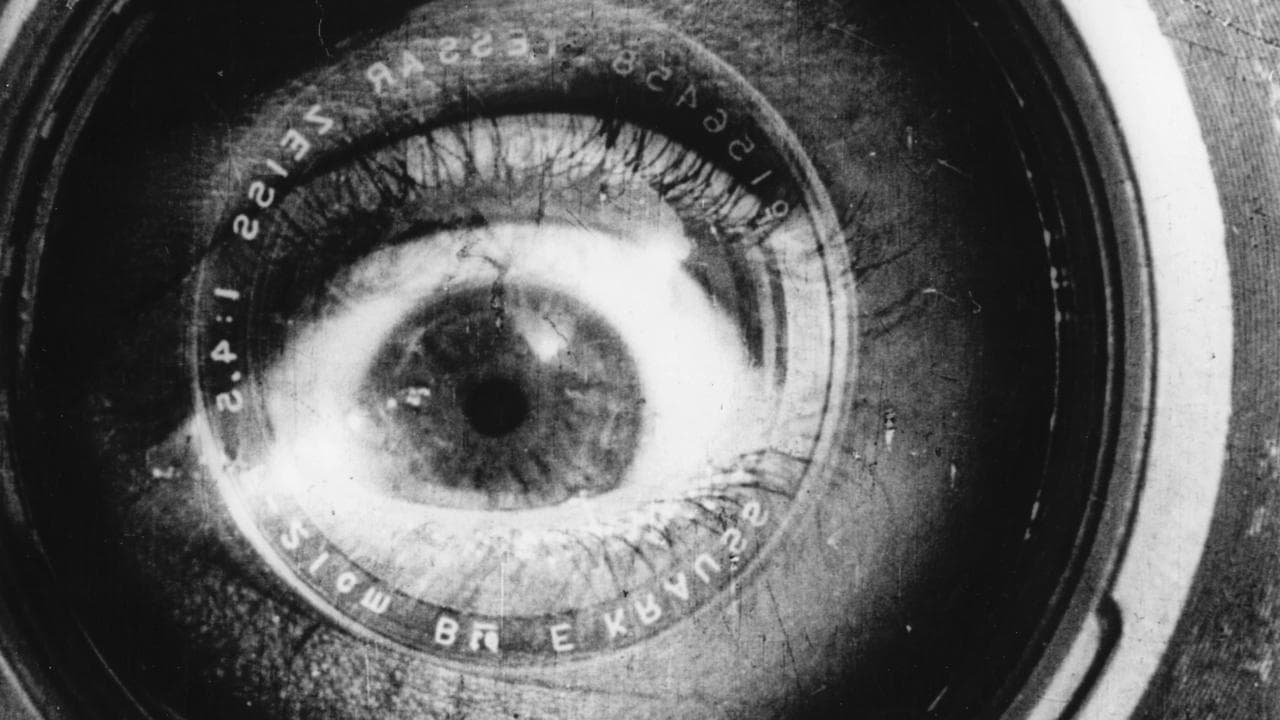
Vertov's manifesto opens with a declaration: this film will use no script, no sets, no actors, no intertitles. What follows is sixty-eight minutes of pure cinema — a day in the life of Soviet cities captured through every technique the camera can perform: split screens, slow motion, freeze frames, superimposition, reverse footage, extreme close-ups, tracking shots from moving vehicles. It is exhausting, exhilarating, and unlike anything else ever made. Vertov was arguing that narrative cinema was a bourgeois lie and that the camera's true purpose was to reveal patterns of life invisible to the naked eye. You don't have to agree with the ideology to be overwhelmed by the result. It is the perfect film to end a survey of the silent era, because it pushes every possibility of the form to the absolute limit — and then, with the arrival of sound, the rules changed entirely.