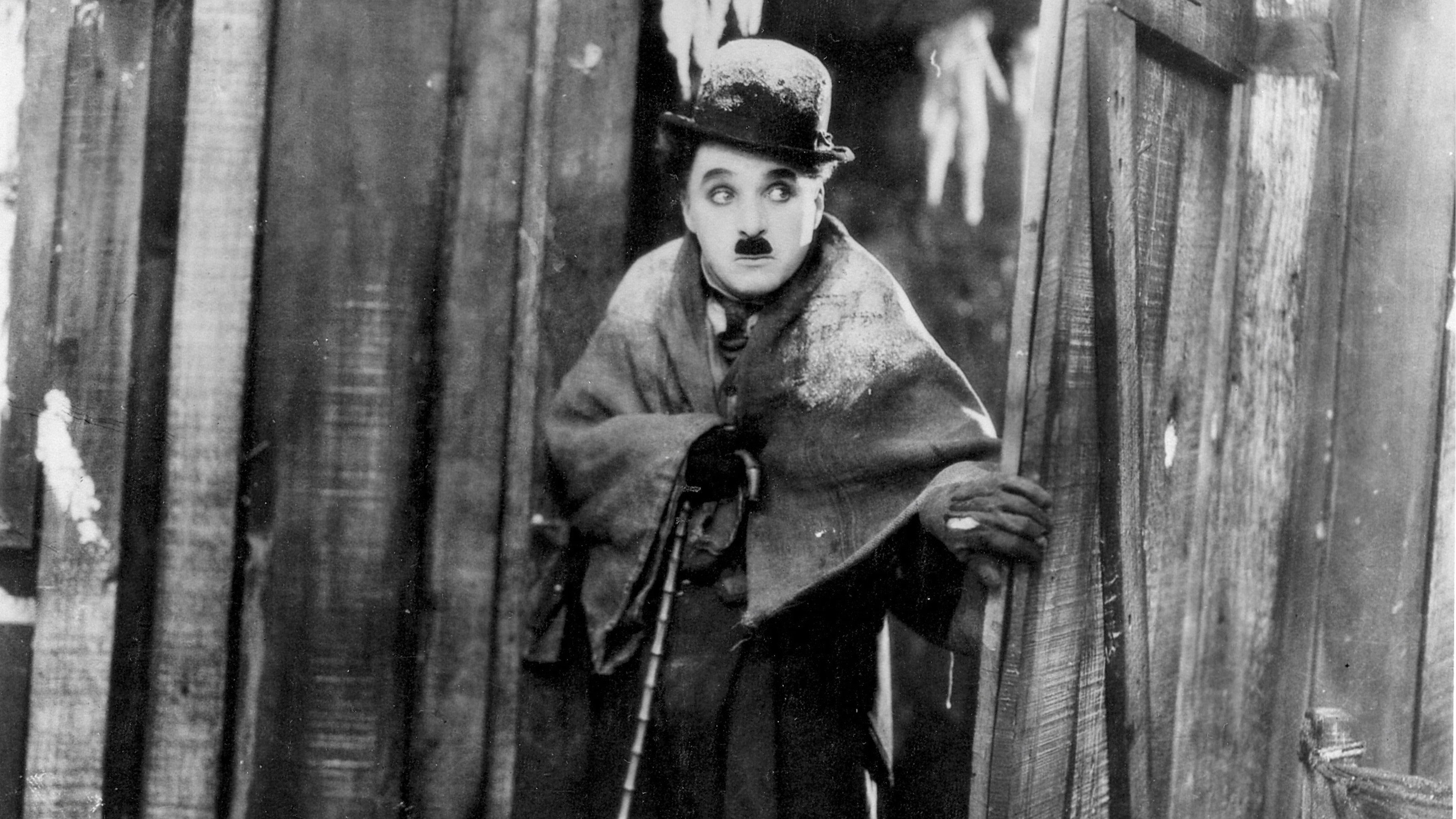
Spotlight: Charlie Chaplin
Chaplin walked onto a Keystone lot in 1914 and had the Tramp costume on screen within weeks. Kid Auto Races is the first release in the bowler. The Mutual shorts are where the walk becomes a character. The Kid is the first feature he directed as his own argument: a man and a boy, and a rooftop chase when the welfare men come. Watch the last shot of each film, the road or the face. A Woman of Paris has almost no Chaplin in it; Lubitsch studied the restraint. City Lights has a score and no dialogue, four years after the talkies. Gold Rush is the one he said he wanted remembered. The dinner rolls are a minute. The hunger underneath them is the film.
15 films
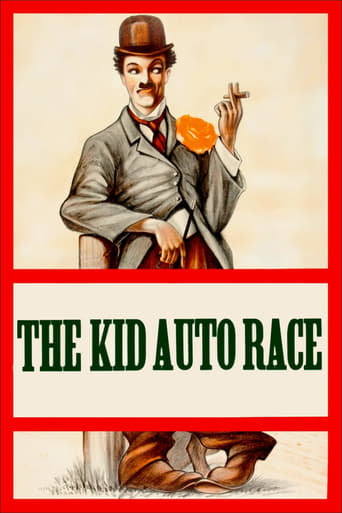
Kid Auto Races at Venice
1914 · Henry Lehrman
The costume is complete before the character is. Chaplin at a pushmobile race, walking into Lehrman's frame and refusing to leave, with a real crowd. Split reel, six minutes, the first time an audience saw the Tramp. The last shot is a man annoying a camera. He would keep doing that.
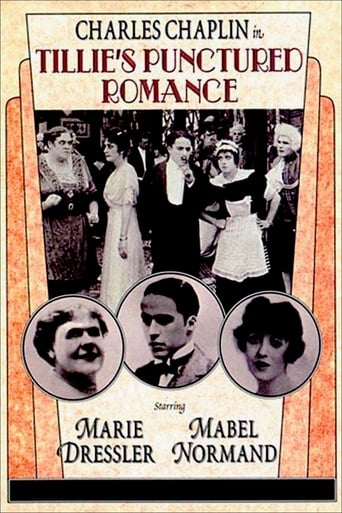
Tillie's Punctured Romance
1914 · Mack Sennett
The villain in a bowler. Chaplin robs Marie Dressler in Sennett's first feature, and he is not the Tramp; he is the Keystone method with a moustache. Useful as the world the walk escaped from. Watch him next to Normand, who knew the job.
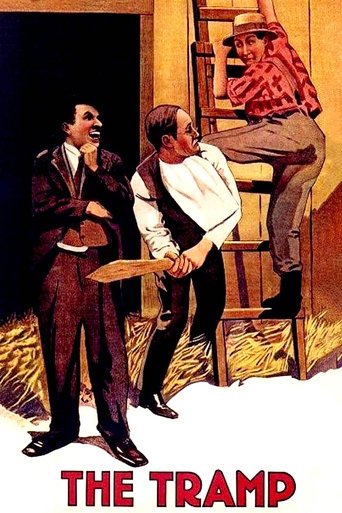
The Tramp
1915 · Charlie Chaplin
The film that names him and the first that lets him lose. He saves the farmer's daughter, stays on, and bungles the work. Then a note, a hat tipped, and the road alone. That last shot is the collection's spine. He walks away from every film after this.

Easy Street
1917 · Charlie Chaplin
The Mutuals at their densest: a slum block built on the lot, a mission, a giant bully, and a lamppost used as an anesthetic. Every gag comes out of the geography. Watch the street at the end, reformed and swept. The road is a block long here.
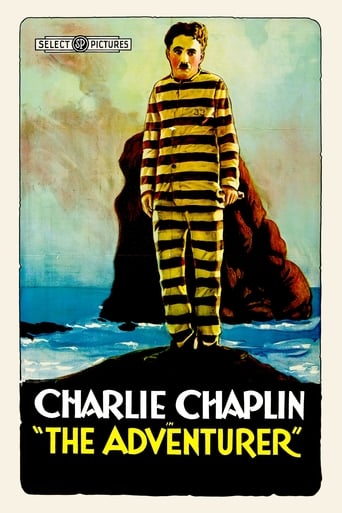
The Adventurer
1917 · Charlie Chaplin
The last Mutual, and the fastest. A convict, a rescue from the surf, a party, ice cream down a dress, a balcony, a chase through the house. No plot to speak of and no need. Ten thousand dollars a week, and the next move was owning the studio.
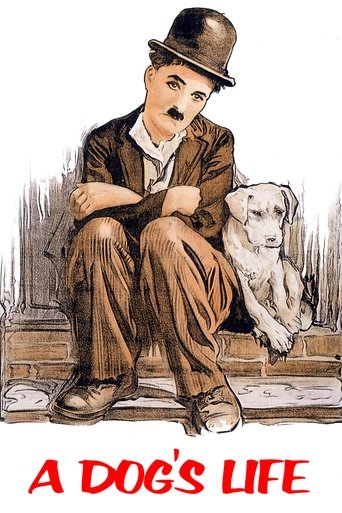
A Dog's Life
1918 · Charlie Chaplin
First National, three reels, and the first film lit as if it would have to last. The Tramp and Scraps, a sausage theft, a wallet dug up, a dance hall. Syd behind the lunch counter. Watch the last shot: a cradle, and what is in it. The road has a farm at the end this once.
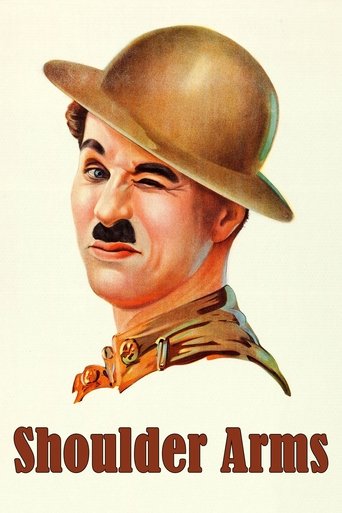
Shoulder Arms
1918 · Charlie Chaplin
The trenches as a job, released weeks before the Armistice. A tree disguise, a flooded dugout, a letter from home read over someone's shoulder. He captures the Kaiser in a dream the film does not label until it must. Watch the waking. The face is the last shot.
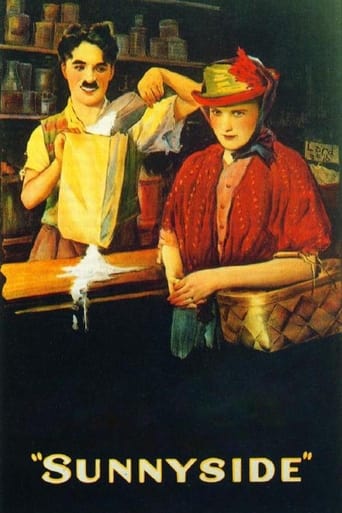
Sunnyside
1919 · Charlie Chaplin
The one people argue about. A farmhand, a village belle, and a dream dance with nymphs modeled on Nijinsky. Made in a bad year, and it shows. Watch the dance anyway. It is the first time the Tramp wants something that is not a meal or a girl, and Chaplin did not know what to do with that yet.
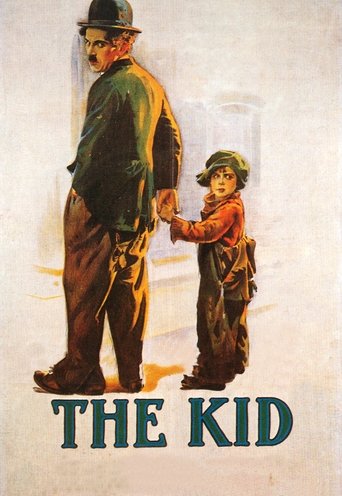
The Kid
1921 · Charlie Chaplin
The first feature and the first argument. A man and a boy, windows broken and mended as a trade, and a rooftop chase when the welfare men come. He cut it in a Salt Lake hotel room to keep it out of a divorce. Watch the truck. Watch the last shot, a door, and who is on the other side.
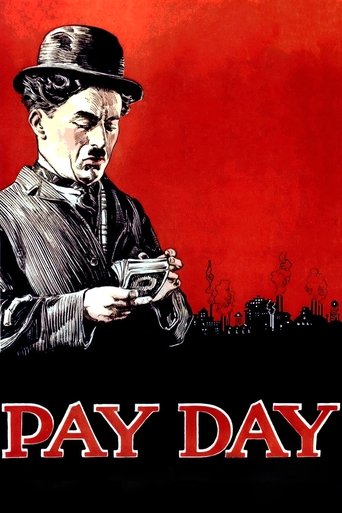
Pay Day
1922 · Charlie Chaplin
The last two-reeler. A bricklayer on a site, bricks arriving exactly when they should not, then a night out and a wife with a rolling pin. The construction gags are a mason thinking in courses. The last shot is a bathtub. After this, everything was a feature.

The Pilgrim
1923 · Charlie Chaplin
An escaped convict in a parson's suit, mistaken for the new minister in a Texas town. The David and Goliath sermon in pantomime is the film. The censors objected, which tells you it was a sermon. Watch the last shot: a border, a sheriff, one foot on each side.

A Woman of Paris: A Drama of Fate
1923 · Charlie Chaplin
Almost no Chaplin in it: a porter, a few seconds. Menjou underplays on instruction, and Lubitsch took notes. It failed because the Tramp was not in it and taught the drawing-room film how to behave. The last shot is a road with two people on it who do not see each other.

The Gold Rush
1925 · Charlie Chaplin
The one he wanted remembered. The boot, the rolls, the cabin on rockers, and a cabin-mate who turns into a chicken. The dinner rolls are a minute. The hunger underneath is the film. Watch the last shot in the 1925 cut. For once, a face instead of a road.

The Circus
1928 · Charlie Chaplin
Funny only when he is not trying. The Tramp becomes a clown by accident and is fired the moment he does it on purpose. A fire, a divorce, a tax case, and an honorary award he did not discuss for forty years. The last shot is the road again, a circus ring left in the dirt.
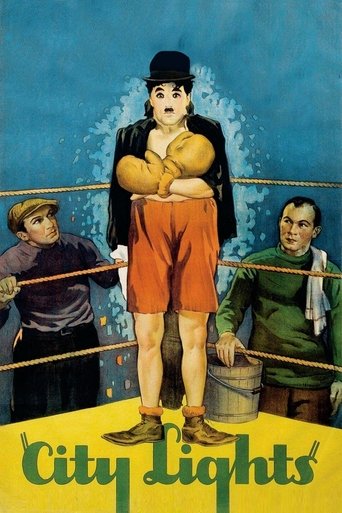
City Lights
1931 · Charlie Chaplin
A silent four years after the talkies, with a score he wrote. The boxing match is the method at its most exact. The flower girl, sighted now, touches a hand and knows it. Chaplin holds the close-up and ends. The face, not the road, and the whole collection points at it.