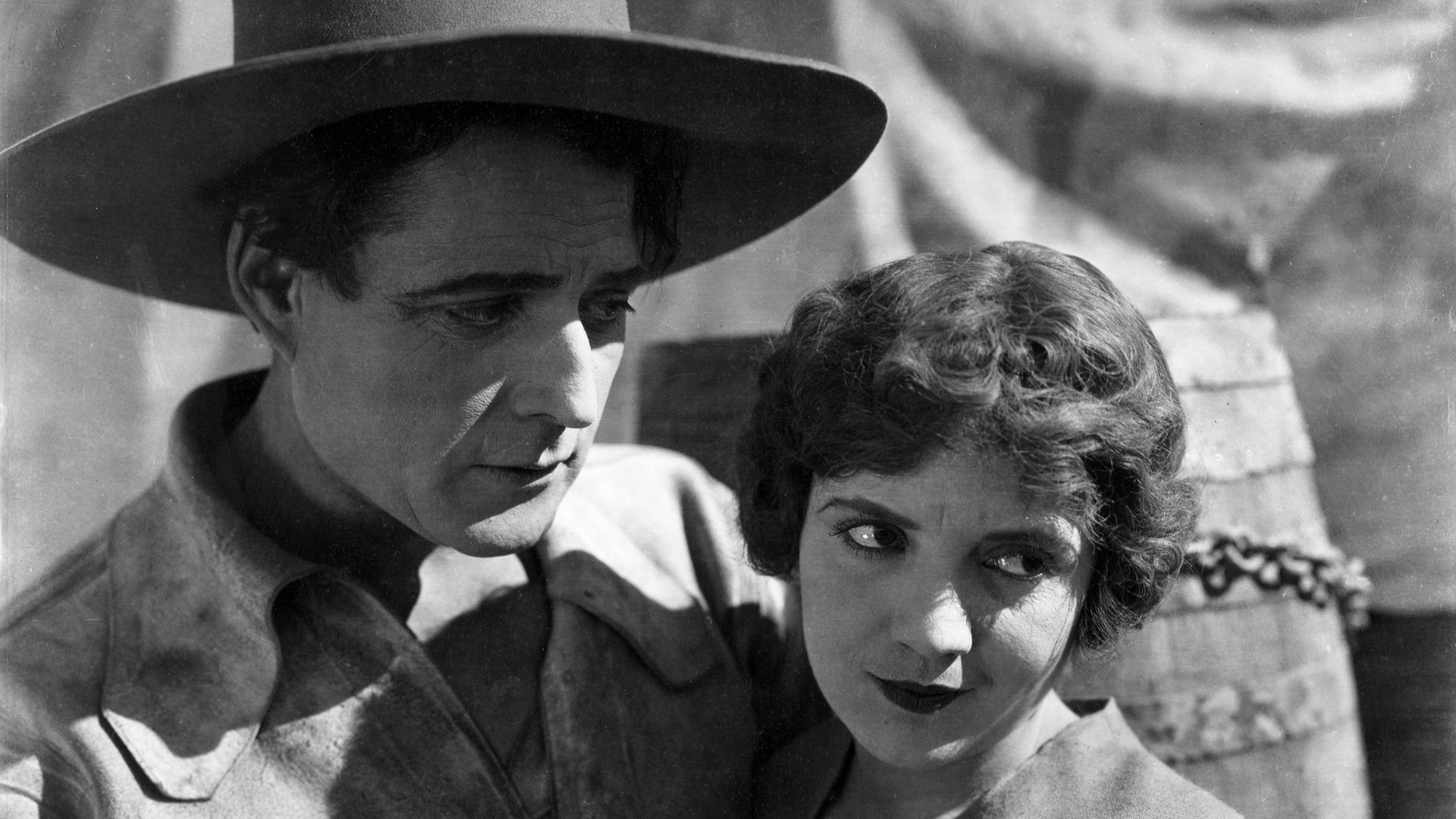
The Silent West
The frontier had been declared closed when the cameras started staging it. Porter's 1903 train robbery is the usual starting point; it is not the first Western. The Library of Congress later put it on the National Film Registry as historically significant. Hart spent a decade as the good bad man. Ford was still Jack when he made Just Pals. Watch the land more than the gunfight. Cruze's wagons. Ford's railroad. Hart's last land rush in Tumbleweeds. Sjöström's The Wind is the psychological case: the weather wins. By the Law is a Soviet cabin in a flood, Jack London by way of Kuleshov. The talkies had to relearn hoofbeats. These pictures had already learned emptiness.
18 films
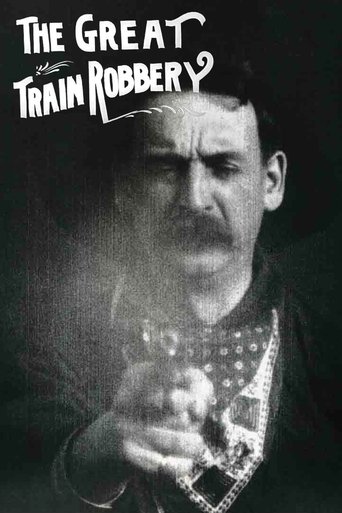
The Great Train Robbery
1903 · Edwin Stanton Porter
The usual starting point and not the first Western. Fourteen scenes, real New Jersey woods, a posse on real horses, and Barnes firing at the lens as an opener or a closer, the operator's choice. Watch the land in the chase. The genre's grammar is mostly settled by the time the reel ends.
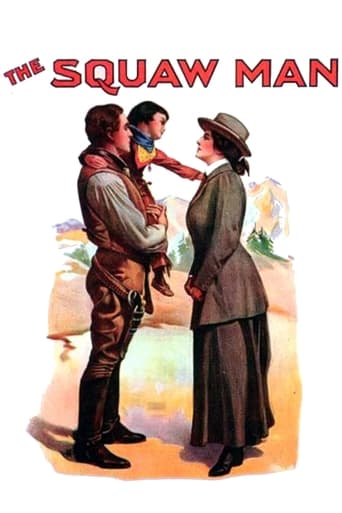
The Squaw Man
1914 · Cecil B. DeMille, Oscar Apfel
DeMille's first feature and the barn in Hollywood. An English captain takes the blame, goes to Wyoming, marries Nat-U-Rich, and the plot clears her away so the white couple can end the picture. The racial machinery is the period's. Watch the ranch exteriors. The industry decided where it lived on this picture.

The Bargain
1914 · Reginald Barker
Hart's first feature, at nearly fifty. Ince took twenty-five people into the Grand Canyon for six weeks and advertised the hardship. Jim Stokes robs a stage, heals at a ranch, and meets a sheriff who is not honest. The good bad man arrives. Watch the canyon do the moralizing.
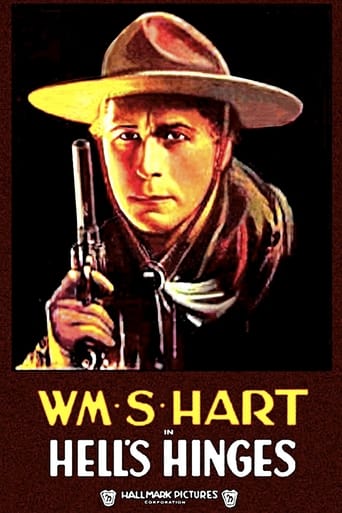
Hell's Hinges
1916 · Charles Swickard
The town is named for what it is, and the church burns. Hart, hired to run a weak minister out, falls for the minister's sister instead. August photographs a place built to be destroyed. Watch him ride toward the camera through the smoke. The land does not survive this one, and that is the point.
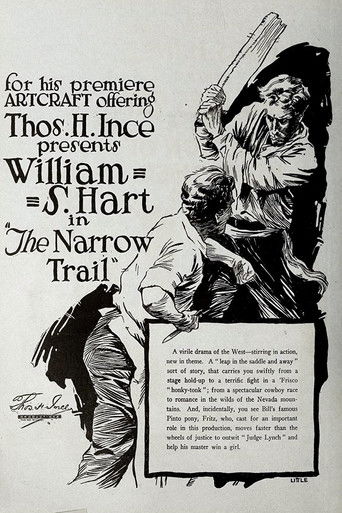
The Narrow Trail
1917 · William S. Hart, Lambert Hillyer
Ice Harding, a stage robber, and a pinto called The King, played by Hart's own horse Fritz. The camera tracks the horse's intelligence as closely as any human face. San Francisco vice for the second half. Watch the horse. Hart did.
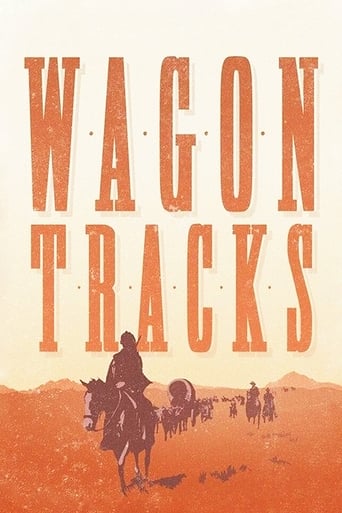
Wagon Tracks
1919 · Lambert Hillyer
The Santa Fe Trail in 1850, a dead brother, and a wagon train led by the man who wants the killer in it. August photographs the desert, and the Times called it the year's desert epic. Watch the train move. The revenge waits while the land does the work.
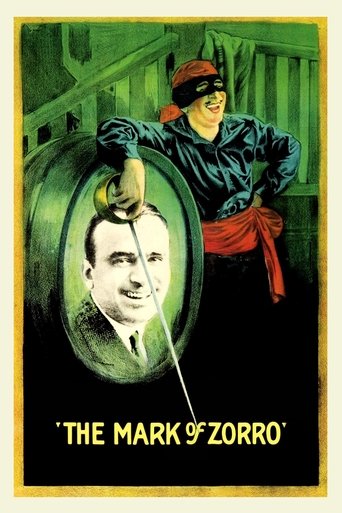
The Mark of Zorro
1920 · Fred Niblo
Spanish California, not the Anglo frontier, and the same DNA: a masked rider, a corrupt governor, a populace to save. Fairbanks vaults, fences, and runs across roofs. Watch the land in the ride to the mission. Then watch the man. The genre found out it could be fun.
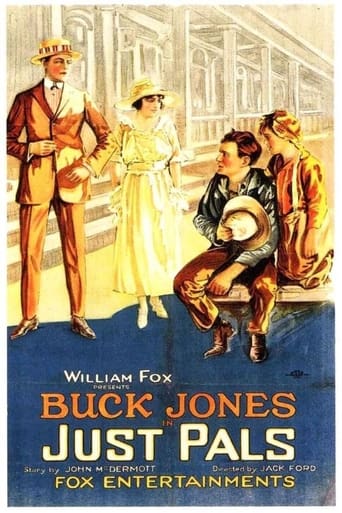
Just Pals
1920 · John Ford
Jack Ford, twenty-five, a town loafer and a boy off a freight. Not quite a Western, already a Ford: the drifter, the schoolteacher, the community one stranger from being a place. Watch Buck Jones sit. Ford already knew how to photograph a man doing nothing.
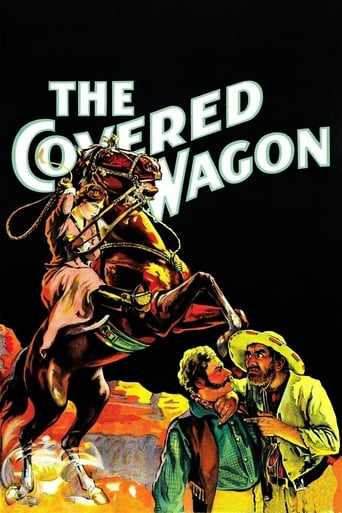
The Covered Wagon
1923 · James Cruze
Hired wagons, a herd counted by the publicity office, and a river crossing photographed as if it might fail. The courtship is filler. Cruze taught the studios a landscape could outgross a drawing room. Watch the buffalo. That is the picture.
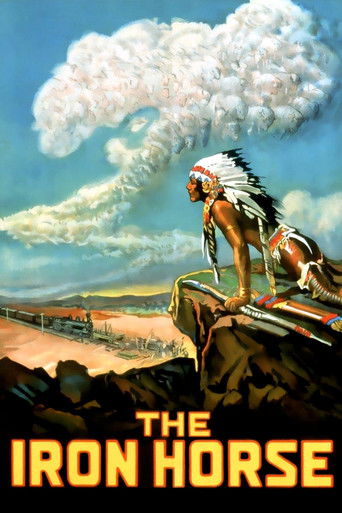
The Iron Horse
1925 · John Ford
Ford in Nevada with the Jupiter and the 119 standing in for themselves. The murdered father is the excuse; the last spike is the ceremony. Native resistance and Irish track gangs as 1925 wrote them. Watch the low angle on the men and the rails. He kept it for forty years.
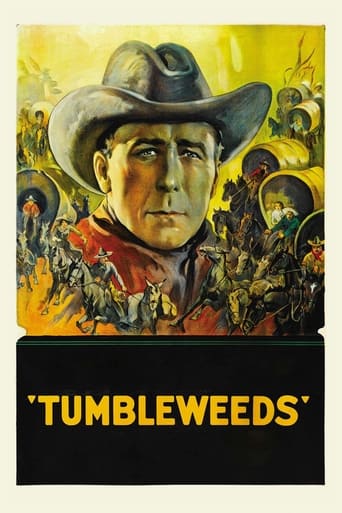
Tumbleweeds
1925 · William S. Hart, King Baggot
Hart's last, self-financed, and a land rush shot with a long-focus Akeley. The film dates it 1889; the Cherokee Strip run was 1893. Watch the line break at the cannon. The 1939 reissue added eight minutes of Hart talking about a frontier forty years gone. It is the only time you hear him.
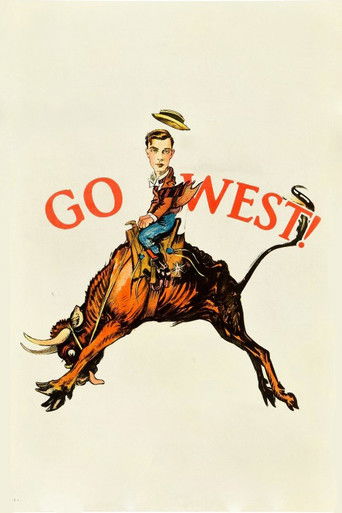
Go West
1925 · Buster Keaton
Keaton and a cow named Brown Eyes. A friendless man rides a cattle train, takes a job, and the film's only love story is with an animal. The stampede through Los Angeles is the last reel. Watch the land between the gags. Keaton had seen every Hart picture, and this is his answer.
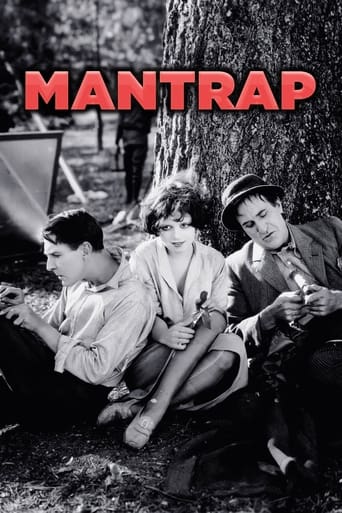
Mantrap
1926 · Victor Fleming
Bow in the Canadian woods, married to a storekeeper, bored, and a New York lawyer up to fish. Howe photographed it. Sinclair Lewis did not recognize his book. Watch the wilderness as a place where unhappy people go to be unhappy in better light. The frontier as a resort.
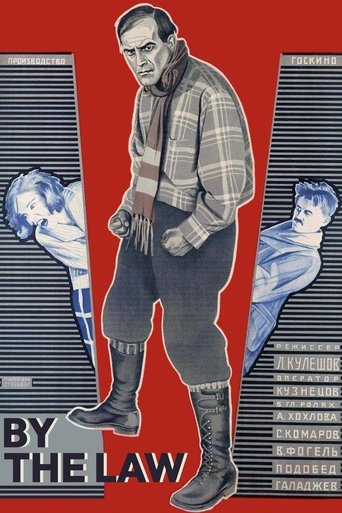
By the Law
1926 · Lev Kuleshov
A Yukon cabin, gold, a killing, and a couple deciding whether to be a court. London by way of Kuleshov, built outside Moscow. Almost no extras. Watch the flood. The land here is a wall, and the Western turns out to be a Russian form too.
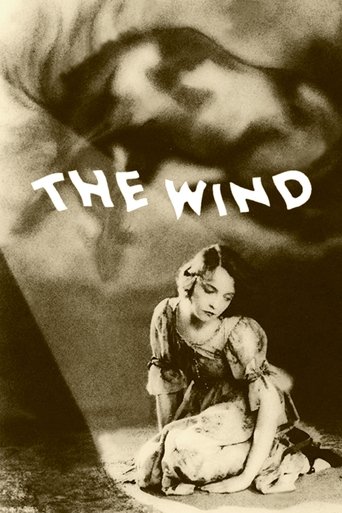
The Wind
1928 · Victor Sjöström
The psychological case. Letty against Texas weather, propellers in the Mojave, sand that will not keep a body. Sjöström treats the frontier as a state of mind that gets in under the door. Watch the window. The weather wins, whatever the studio ending says.
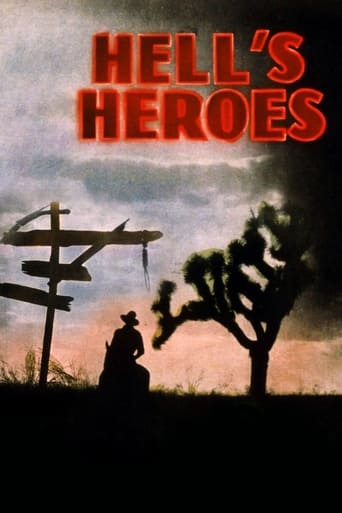
Hell's Heroes
1929 · William Wyler
Three bank robbers, a dying woman in a wagon, and a newborn they are named godfathers to. Wyler in the Mojave in August, released silent and with sound. Lean, religious, not sentimental. Watch the desert take two of them. Ford remade it twice; Wyler did it first and driest.
Fighting Caravans
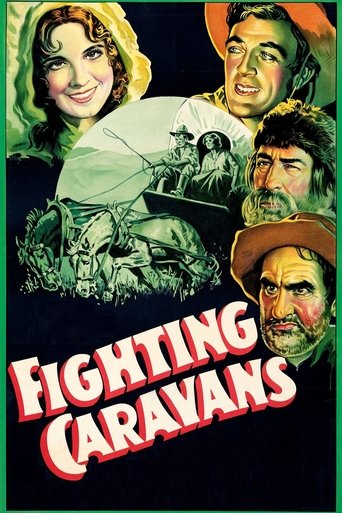
1931 · David Burton, Otto Brower
Cooper before he was Cooper, in a Zane Grey wagon picture that keeps almost none of the book. A talkie on a silent list because the mountain crossings and the river fords are silent-era inheritance. Watch the wagons against weather. The dialogue is stiff. The land is not.
3 Bad Men
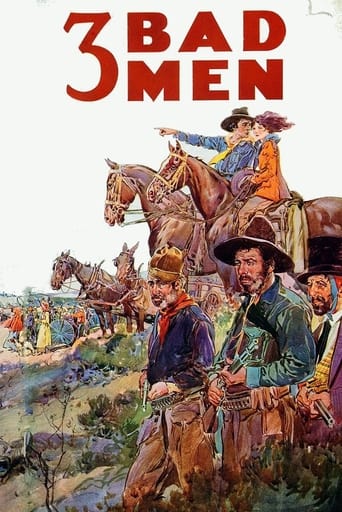
1926 · John Ford
Ford, 1926: gold on Sioux land, three outlaws, a settler's daughter, and a land rush for the finish. The bad men appoint themselves guardians and the film gives them a last stand. Watch the rush. Ford was practicing the shot he would spend a career on, and this one is nearly as big as Tumbleweeds.