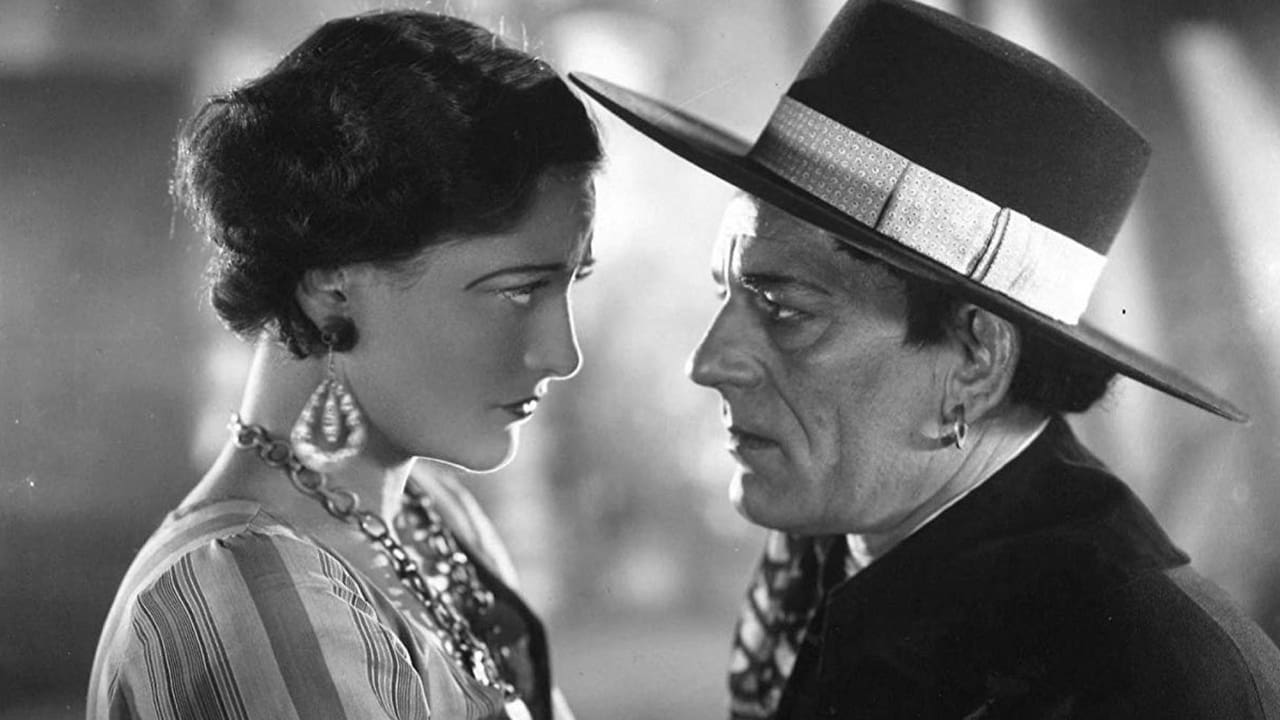
Tod Browning ran away from his Kentucky home as a teenager to join the circus, and he never really left. He worked as a contortionist, a clown, and a sideshow barker before drifting into the film industry, and the world of traveling performers, carnival grifters, and criminal outcasts became the subject of virtually everything he directed. His films are populated by people who live on the margins: thieves, con artists, sideshow acts, and men so consumed by obsession that they will mutilate themselves rather than abandon it. No other director of the period returned so consistently to the same territory, and no one else made that territory feel so authentic. Browning's greatest creative partnership was with Lon Chaney, and five of the nine films here were made together. Chaney gave physical form to the damaged, driven characters Browning imagined, enduring extraordinary discomfort to play legless crime lords, armless circus performers, and paralyzed magicians plotting revenge from the swamps of East Africa. But even without Chaney, Browning's films share a distinctive atmosphere: a fascination with deception and disguise, a sympathy for people the respectable world considers monstrous, and a willingness to push melodrama into territory so extreme it becomes something like poetry. These nine films represent Browning's silent and early sound work. His most famous productions, Dracula and Freaks, came later and are not yet in the catalog, but the creative sensibility that produced them is fully visible here. The underworld Browning built on screen was drawn from the one he had lived in, and that firsthand knowledge gives his films a texture that studio-bound directors could never replicate.
9 films

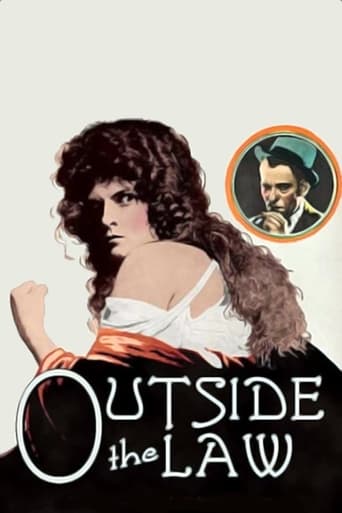
1919 · Tod Browning
Browning's first collaboration with Lon Chaney, and the film that established the partnership that would define both their careers. Priscilla Dean plays a Limehouse pickpocket torn between her criminal life and the respectable man who wants to save her. Chaney appears in a supporting role as a thief, and the chemistry between director and actor is already evident: Browning gives Chaney room to build a character through physical detail rather than broad gesture, and Chaney responds with a performance that makes villainy feel lived-in. The Limehouse setting, a standard of the period, is rendered with more attention to atmosphere than most. A modest film, but the beginning of something important.

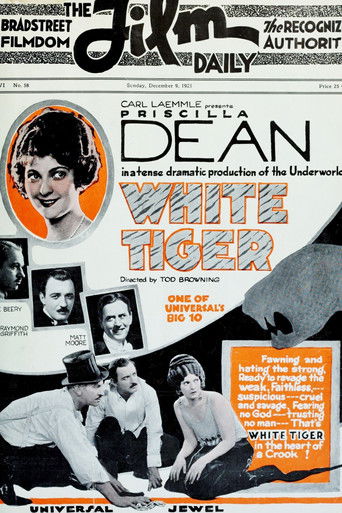
1921 · Tod Browning
Browning reunited with both Priscilla Dean and Lon Chaney for this San Francisco Chinatown crime film, and the result is more ambitious than their first collaboration. Chaney plays dual roles, a gang leader and a benign old man, demonstrating the range that would become his trademark. Dean matches his energy as a woman caught between the criminal underworld and the possibility of going straight. The film was a significant commercial success for Universal and cemented Browning's reputation as a director who could handle atmospheric crime material. The Chinatown setting relies on period stereotypes, but Browning's interest in the mechanics of criminal life gives the film a procedural quality that cuts against the exoticism.

1923 · Tod Browning
Browning's third and final film with Priscilla Dean is set in a Hollywood version of Shanghai where an American woman runs an opium ring and an undercover agent poses as a mining engineer. Anna May Wong appears in a supporting role. The film is minor Browning, more interested in its exotic setting than in the psychological depth that would characterize his best work. But it shows Browning developing a recurring interest in characters who operate under false identities, maintaining elaborate performances that blur the line between who they pretend to be and who they actually are. That theme would become central to nearly everything he made afterward.

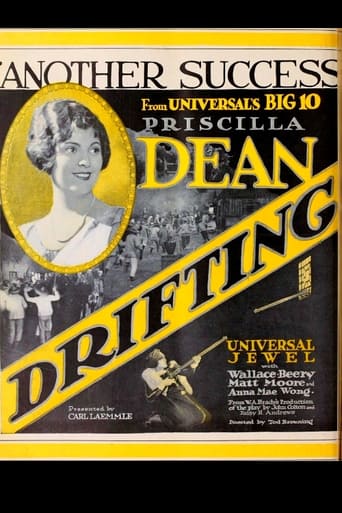
1923 · Tod Browning
Three criminals pull off an elaborate heist and then find themselves trapped together in hiding, their mutual distrust slowly corroding the partnership. Priscilla Dean stars alongside Matt Moore in her fourth and final film with Browning. The setup anticipates the heist-and-aftermath structure that would later become a genre staple: the crime itself is almost secondary to the psychological disintegration that follows. Browning was refining his approach to criminal psychology, moving away from the melodramatic redemption arcs of his earlier work and toward something more interested in how people unravel under pressure. The film is uneven but contains sequences of genuine tension.

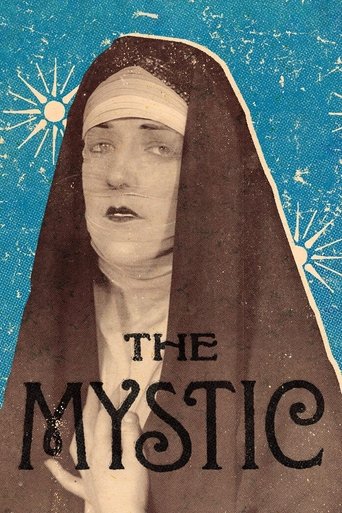
1925 · Tod Browning
Browning's fascination with the world of carnival fraud produced this film about a phony psychic who runs séance scams under the control of a manipulative partner. The film draws directly on Browning's own experience in the sideshow world; he understood the mechanics of the con from the inside and films the séance sequences with a precision that suggests firsthand knowledge of how such deceptions work. The story eventually turns toward romance and redemption, which weakens it, but the first half, with its detailed depiction of how fake mediums exploit grief, is among the most interesting material Browning produced without Chaney.

1925 · Tod Browning
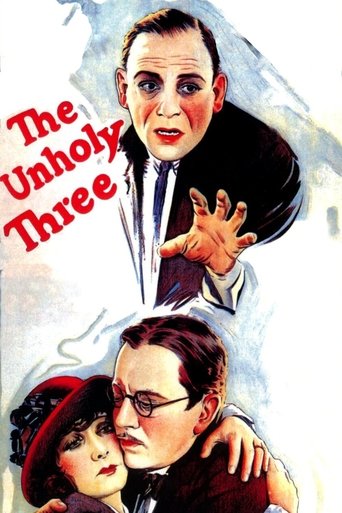
Browning and Chaney's first major hit together. A ventriloquist, a strongman, and a little person form a criminal gang that operates out of a pet shop, using the ventriloquist's ability to throw his voice as cover. The premise sounds like the setup for a joke, and Browning allows a thread of dark comedy to run through the material, but Chaney plays Professor Echo with such conviction that the absurdity becomes plausible. His disguise as an elderly woman running the pet shop is genuinely convincing, and the film's climax turns on whether the audience at a murder trial can tell which voice belongs to which body. The Unholy Three was a commercial sensation and established the Browning-Chaney collaboration as a bankable brand.

1927 · Tod Browning
John Gilbert stars as the barker of a Budapest sideshow whose main attraction is a reenactment of the beheading of John the Baptist. The sideshow setting is pure Browning territory, and he fills the frame with the kind of grotesque detail that only someone who had actually worked in such places would know: the mechanics of the illusions, the hierarchy among performers, the way the audience's desire to be shocked creates a market for increasingly extreme spectacle. A love triangle provides the conventional plot, but the film's real interest is in the sideshow itself as a mirror of the society watching it. Gilbert is surprisingly effective in a role far removed from his romantic-lead image.

1927 · Tod Browning
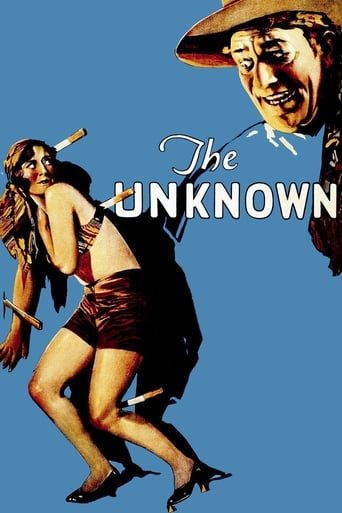
The most extreme film in the Browning-Chaney partnership, and one that still has the power to disturb. Chaney plays Alonzo, a fugitive who hides in a circus by disguising himself as an armless knife-thrower. He falls in love with the owner's daughter, played by a young Joan Crawford, who has a pathological aversion to being touched by men's hands. Alonzo's solution is to have his arms surgically removed. The premise is a nightmare of obsessive love pushed to its logical, unbearable conclusion, and Chaney plays Alonzo's final realization, that Crawford has overcome her phobia and embraced the strongman, with an anguish that transcends the pulp material. Browning never went further than this. Few filmmakers ever have.

1928 · Tod Browning
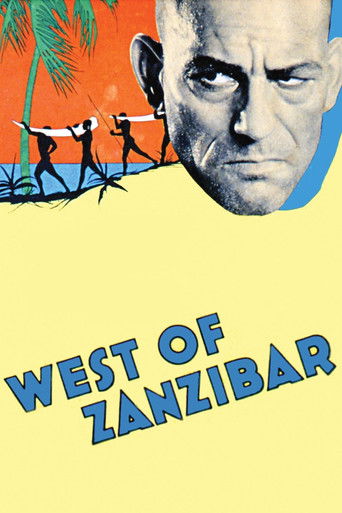
The final Browning-Chaney collaboration available in the catalog, and one of their darkest. Chaney plays a stage magician who is paralyzed by a romantic rival and spends eighteen years in the swamps of East Africa devising an elaborate revenge involving the rival's innocent daughter. The cruelty of the scheme is almost baroque in its complexity, and Browning films the swamp sequences with a feverish intensity that makes the setting feel less like Africa than like the interior of Phroso's obsession. Chaney, confined to a wheelchair or dragging himself along the ground, turns physical limitation into a form of menace. The film pushes melodrama so far past its conventional boundaries that it arrives somewhere genuinely unsettling, which is exactly where Browning always wanted to be.