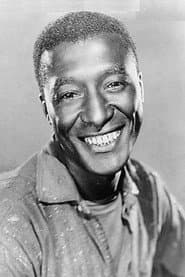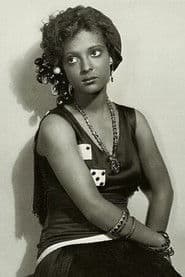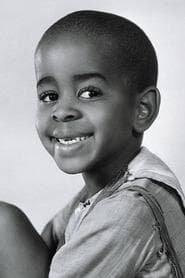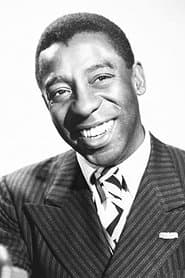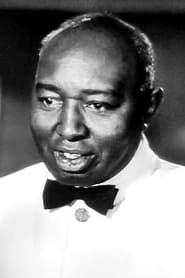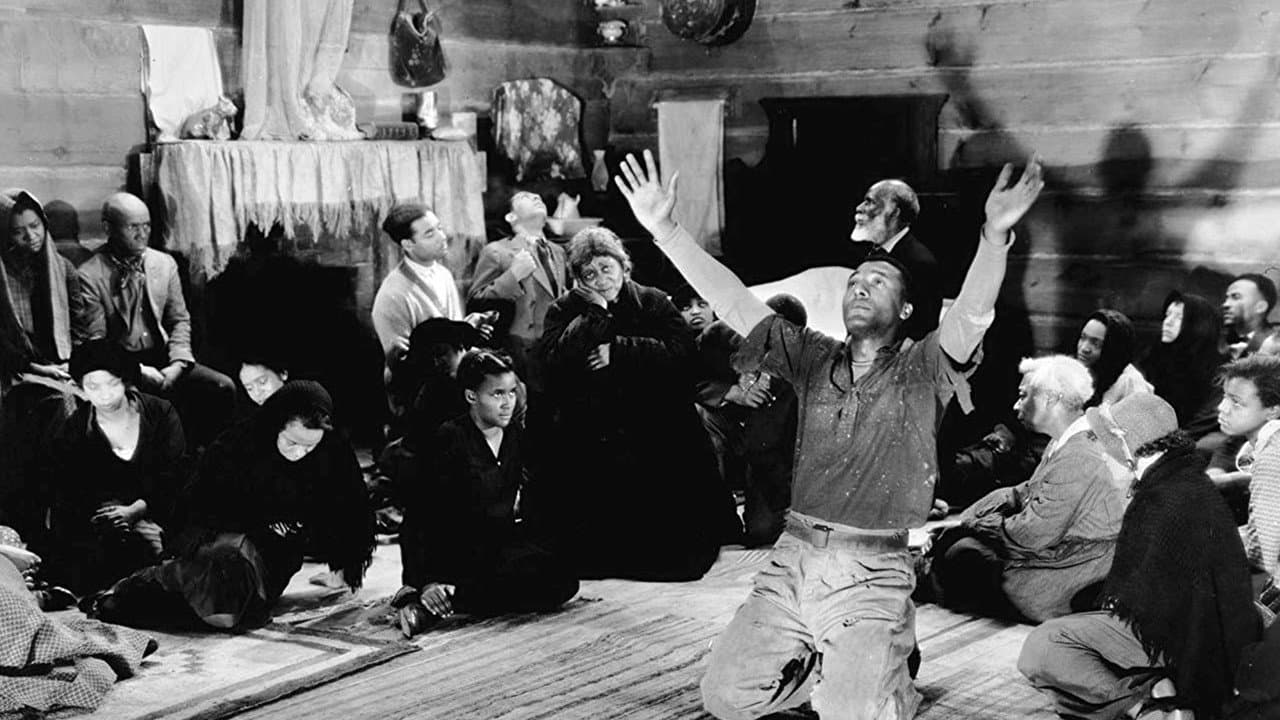
King Vidor’s Hallelujah (1929) is one of the most ambitious and contested films of the early sound era, a major studio production with an all-Black cast at a moment when such a thing was virtually unthinkable in Hollywood. Vidor waived his own salary to get MGM to greenlight it, then shot on location in Tennessee and Arkansas, far from studio oversight, preserving the fluid camerawork of his silent work while experimenting boldly with post-synchronized sound, spirituals, and Irving Berlin songs. The film follows sharecropper Zeke Johnson (Daniel L. Haynes) through temptation, violence, and religious fervor, anchored by a screen debut of extraordinary force from seventeen-year-old Nina Mae McKinney as the magnetic Chick. The mass baptism, the ecstatic revival, and the nightmarish swamp chase remain some of the most striking sequences in any early talkie. But Vidor’s genuine affection for his subjects coexists with a paternalism and racial stereotyping that many viewers found reductive even in 1929. Hallelujah is essential viewing precisely because of these tensions, a pivotal document of both the technology and the racial politics of American cinema.

Daniel L. Haynes
Zeke

Nina Mae McKinney
Chick

William Fountaine
Hot Shot
Harry Gray
Pappy "Parson" Johnson
Fanny Belle DeKnight
Mammy
Everett McGarrity
Spunk
Victoria Spivey
Missy Rose
Milton Dickerson
Johnson Kid
Robert Couch
Johnson Kid
Walter Tait
Johnson Kid

Matthew Beard
Child (uncredited)

Clarence Muse
Church Member (uncredited)

Sam McDaniel
Adam (uncredited)