Die freudlose Gasse
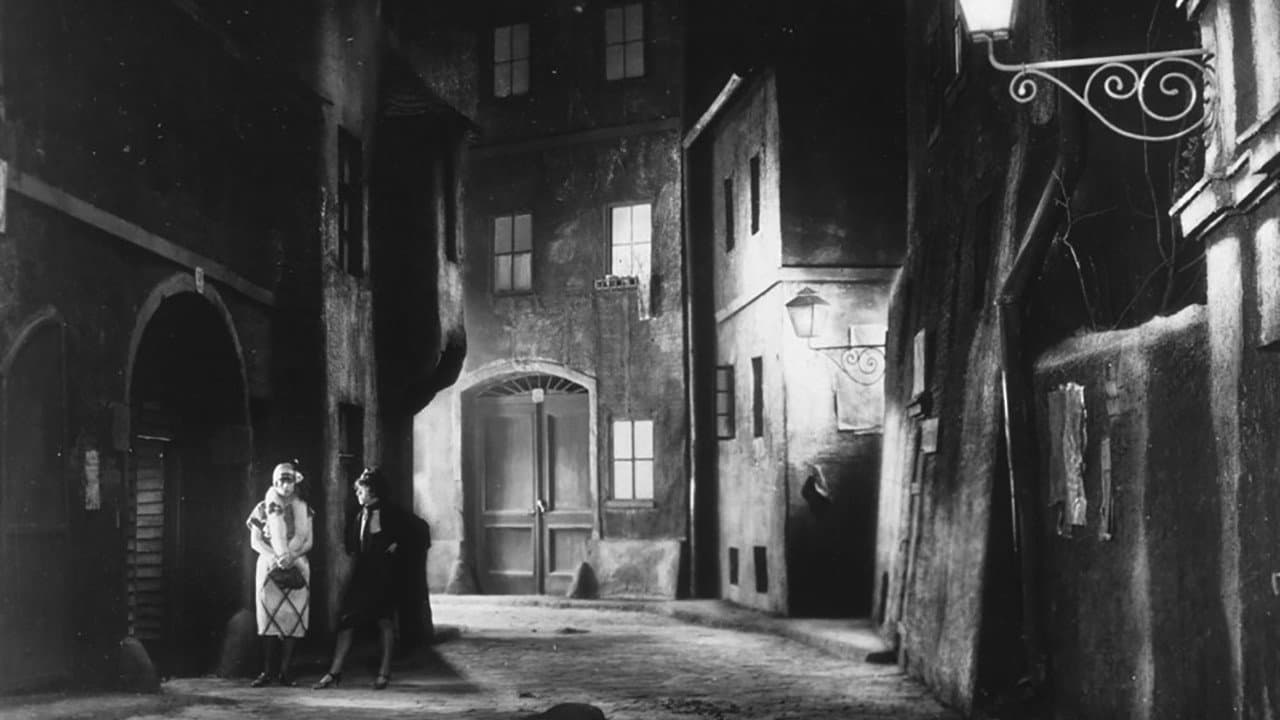
G.W. Pabst's unflinching portrait of post-war Vienna — where hyperinflation has reduced the middle class to desperation and the only growth industries are prostitution and the black market. Two women from the same impoverished street take different paths: one is drawn into the orbit of a brutal procuress, the other finds a chance at escape through an American Red Cross worker. Pabst's camera moves through the city's gray, exhausted streets with a documentary-like naturalism that strips away melodramatic conventions to reveal raw human misery. A young Greta Garbo, in her breakout dramatic role, brings extraordinary presence to the screen even in a supporting part, and Asta Nielsen — the great Danish silent star — gives a performance of devastating power as a woman with no good choices left. One of the defining works of Weimar cinema's social-realist wing.
Generaldirektor Rosenow