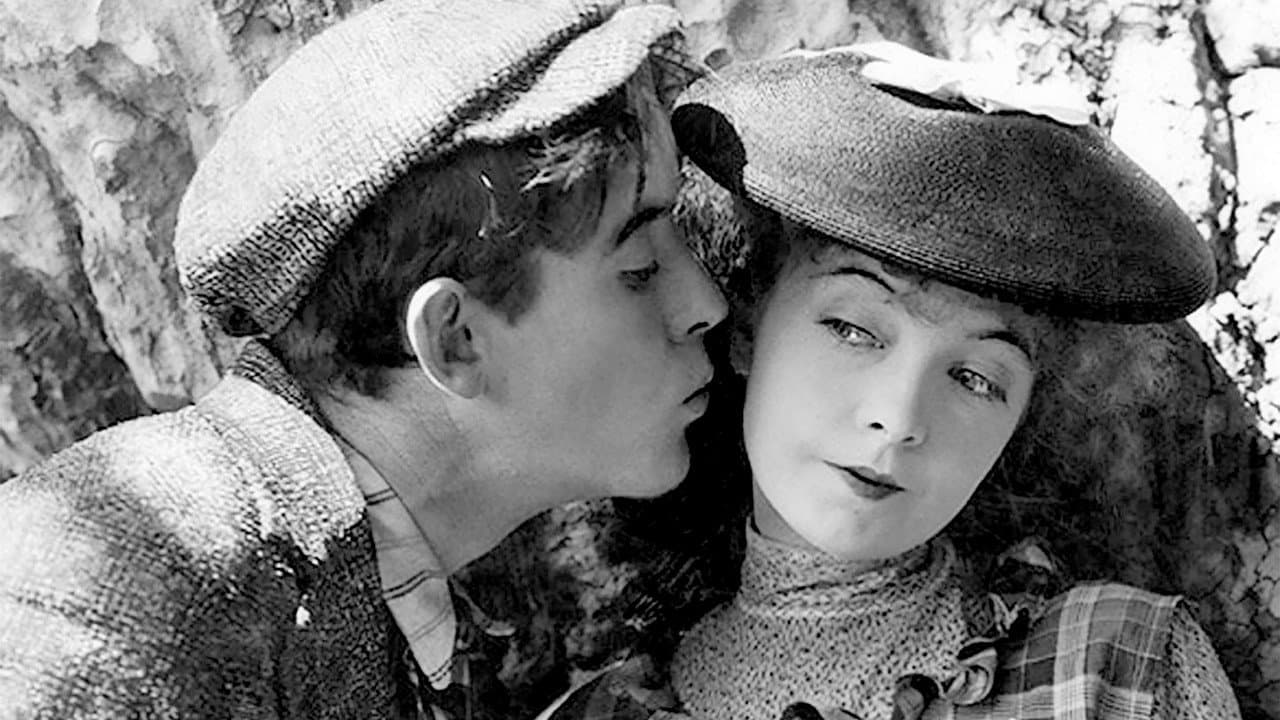
True Heart Susie (1919) is one of D.W. Griffith’s most intimate and restrained works, a pastoral melodrama that strips away the epic spectacle of films like Intolerance in favor of a quiet, almost novelistic study of unrequited love. Lillian Gish plays Susie, a plain country girl who secretly sells her cow to fund the college education of the boy she loves, William (Robert Harron), only to watch him marry a flashier, less devoted woman. The film is remarkable for Gish’s performance — she communicates volumes through small gestures and glances, embodying a kind of suffering patience that Griffith clearly admires but that modern viewers may find uncomfortably close to martyrdom. Griffith’s moral framework is blunt: virtue is rewarded, vanity is punished, and the “true heart” wins out in the end, though not before the film wrings considerable pathos from Susie’s silent sacrifice. Stylistically, the film benefits from Billy Bitzer’s naturalistic outdoor photography and Griffith’s skill with actors in close-up, even as its intertitles occasionally lapse into a cloying, sermonizing tone that undercuts the subtlety of the performances. It’s a useful film for understanding Griffith’s range and his influence on screen acting, but it also reveals his limitations — a sentimental conservatism that equates female goodness with self-erasure.
cinematographer
writer