十字路
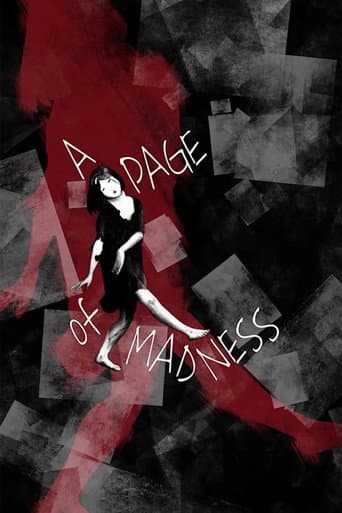
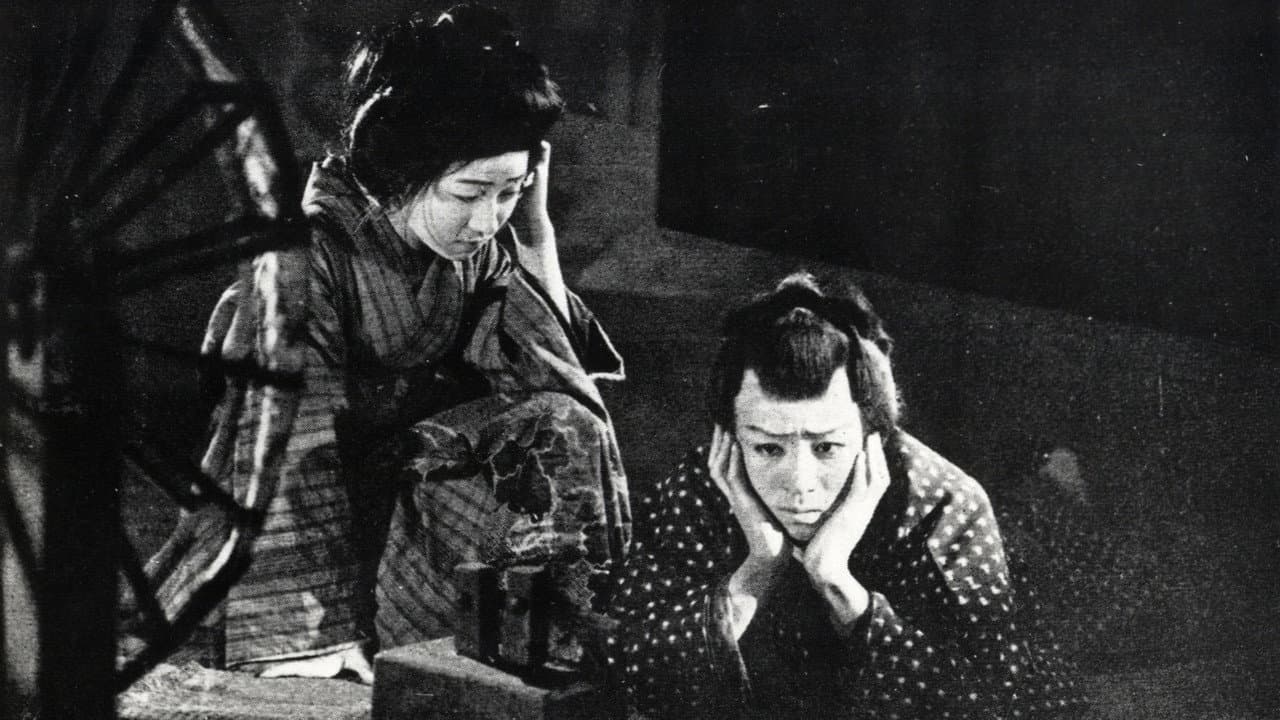
Teinosuke Kinugasa's visually ravishing period drama — his second great achievement of the silent era, and the first Japanese film to be commercially distributed in Europe. Set in the Yoshiwara pleasure quarter of Edo-period Japan, the film follows a young man who falls in love with a courtesan and is blinded by ash during a fight, setting in motion a tragic chain of events driven by desire, revenge, and fate. Kinugasa applies the Expressionist visual techniques he developed in A Page of Madness to a more conventional narrative, creating a film of extraordinary atmospheric beauty: rain-streaked alleys, candlelit interiors, and a climactic sequence of dazzling visual intensity. The film's success in Europe proved that Japanese cinema could speak a universal visual language, opening doors for the Japanese masters who followed.
writer
cinematographer
Old Man Renting Second Floor