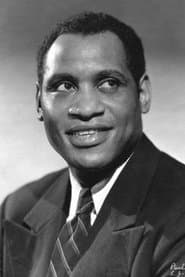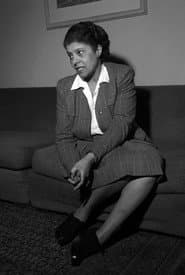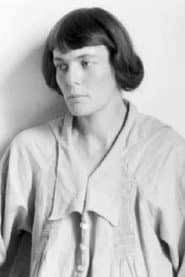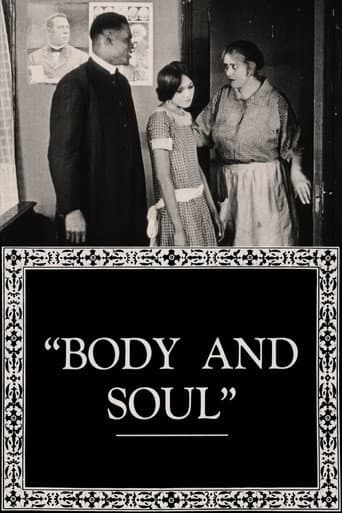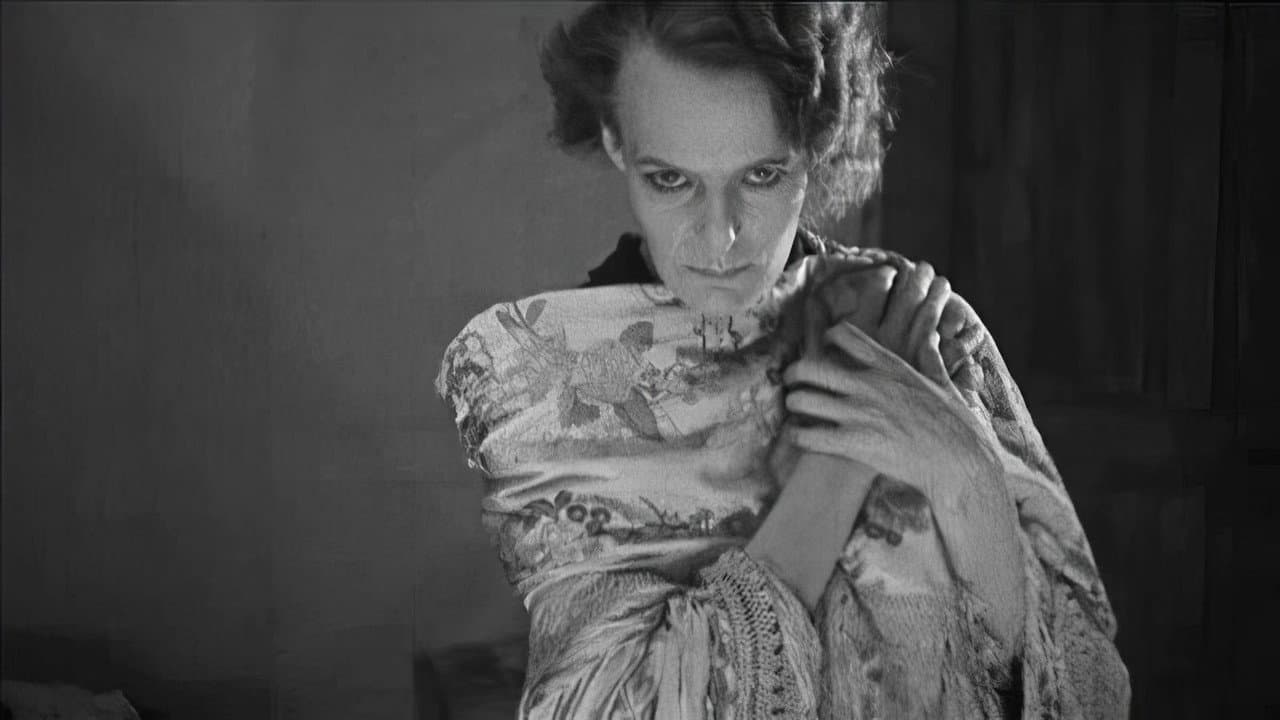
Kenneth Macpherson’s Borderline (1930) is one of the most radical films of the late silent era, a work that exists at the intersection of avant-garde experiment, psychoanalytic theory, and racial politics in ways that no other film of the period attempted. Macpherson was the founding editor of Close Up, Britain’s first serious film journal, and Borderline was his only feature, produced by the Pool Group in the Swiss village of Territet with a cast drawn from his own intellectual circle. Paul Robeson and his wife Eslanda star as Pete and Adah, a Black couple entangled in an interracial affair with a volatile white man, Thorne, and his neurotic wife Astrid, played by the American poet H.D. (Hilda Doolittle). The film’s narrative is deliberately fractured, rendered through rapid Eisensteinian montage and the psychoanalytic approach of G.W. Pabst, with Macpherson using editing, shadow, and gesture to externalize the psychological states of his characters rather than relying on conventional storytelling. Intertitles are sparse, and the effect is closer to visual poetry than melodrama. Underneath the formal experimentation, the film is also saturated with queer coding, from Bryher’s butch café proprietress to lingering glances between minor characters, making it one of the earliest films to weave questions of race, sexuality, and belonging into a single fabric. Borderline was poorly received on release and Macpherson, stung by the criticism, withdrew the prints and never directed again. The film was believed lost until a copy surfaced in Switzerland in 1983. Restored by the BFI and George Eastman House, it now stands as a fascinating artifact of interwar modernism, a film whose ambitions consistently outpace its resources but whose sheer strangeness and intellectual seriousness remain compelling.
writer
cinematographer