Kino-polis
HomeBrowseCollectionsReading RoomAbout
Kino-polis

A personal screening room for early cinema

© 2026 Kino-polis

Souls for Sale

1923·90 min·US
Director: Rupert Hughes
ComedyDramaRomance

Rupert Hughes’s Souls for Sale (1923) is Hollywood’s first real love letter to itself, a film made in direct response to the scandals that had rocked the industry in the early 1920s: the Roscoe Arbuckle case, the murder of William Desmond Taylor, the drug-related death of Wallace Reid. Hughes, an enormously popular novelist and playwright who was also Howard Hughes’s uncle, adapted his own serialized novel into a Goldwyn production designed to argue that the movie business was populated not by degenerates but by decent, hardworking people. The title cards practically editorialize, describing studio labor as “factory-hard” and insisting on the fundamental virtue of the Hollywood workforce. The story follows Remember “Mem” Steddon (Eleanor Boardman, in her first starring role), a preacher’s daughter who impulsively flees her new husband on their wedding night, stumbles half-dead from dehydration onto a film set in the desert, and falls into the movie business almost by accident. The husband turns out to be a serial killer. The plot is cheerfully absurd, veering from slapstick to melodrama and back, and Hughes knew it. Roger Ebert noted that judging by the title cards, Hughes was fully aware of how improbable his own story was. Boardman is wonderful throughout, particularly in a failed screen test that requires her to convincingly simulate bad acting, a harder trick than it sounds. The real treasure of Souls for Sale is its documentary value. Hughes’s Goldwyn connections gave him access to working sets across Hollywood, and the film is packed with cameos from the era’s biggest names. Erich von Stroheim appears directing a test for Greed. Charlie Chaplin shows up in the director’s chair, likely during the production of A Woman of Paris. Marshall Neilan, Fred Niblo, ZaSu Pitts, and dozens of others drift through. The climax, in which a full-scale circus tent catches fire during filming and the director shouts at his cameramen to keep shooting, is both spectacular and slyly self-aware. The film was thought lost for decades until copies surfaced in Czech film archives and were restored with original tinting intact. It is a fascinating artifact of an industry learning to narrate and defend its own mythology.

Rupert Hughes’s Souls for Sale (1923) is Hollywood’s first real love letter to itself, a film made in direct response to the scandals that had rocked the industry in the early 1920s: the Roscoe Arbuckle case, the murder of William Desmond Taylor, the drug-related death of Wallace Reid. Hughes, an enormously popular novelist and playwright who was also Howard Hughes’s uncle, adapted his own serialized novel into a Goldwyn production designed to argue that the movie business was populated not by degenerates but by decent, hardworking people. The title cards practically editorialize, describing studio labor as “factory-hard” and insisting on the fundamental virtue of the Hollywood workforce. The story follows Remember “Mem” Steddon (Eleanor Boardman, in her first starring role), a preacher’s daughter who impulsively flees her new husband on their wedding night, stumbles half-dead from dehydration onto a film set in the desert, and falls into the movie business almost by accident. The husband turns out to be a serial killer. The plot is cheerfully absurd, veering from slapstick to melodrama and back, and Hughes knew it. Roger Ebert noted that judging by the title cards, Hughes was fully aware of how improbable his own story was. Boardman is wonderful throughout, particularly in a failed screen test that requires her to convincingly simulate bad acting, a harder trick than it sounds. The real treasure of Souls for Sale is its documentary value. Hughes’s Goldwyn connections gave him access to working sets across Hollywood, and the film is packed with cameos from the era’s biggest names. Erich von Stroheim appears directing a test for Greed. Charlie Chaplin shows up in the director’s chair, likely during the production of A Woman of Paris. Marshall Neilan, Fred Niblo, ZaSu Pitts, and dozens of others drift through. The climax, in which a full-scale circus tent catches fire during filming and the director shouts at his cameramen to keep shooting, is both spectacular and slyly self-aware. The film was thought lost for decades until copies surfaced in Czech film archives and were restored with original tinting intact. It is a fascinating artifact of an industry learning to narrate and defend its own mythology.

Watch

Explore Further

Movies Silently Review ★★½
Article

Where to Watch

Streaming data by JustWatch

Cast

Eleanor Boardman

Eleanor Boardman

Miss Remember Steddon

Frank Mayo

Frank Mayo

Tom Holby

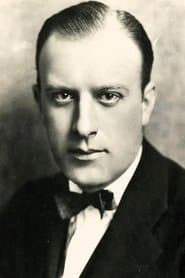
Richard Dix

Richard Dix

Frank Claymore

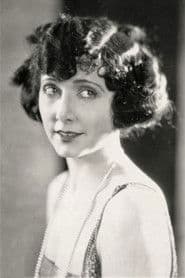
Mae Busch

Mae Busch

Robina Teele

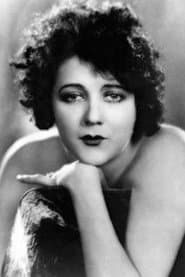
Barbara La Marr

Barbara La Marr

Leva Lemaire

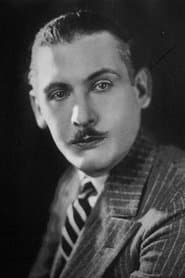
Lew Cody

Lew Cody

Owen Scudder

Forrest Robinson

Forrest Robinson

Rev. John Steddon

Edith Yorke

Edith Yorke

Mrs. Steddon

Snitz Edwards

Snitz Edwards

Komical Kale - the Klown

William Haines

William Haines

Pinkey - Assistant Director

Dale Fuller

Dale Fuller

Abigail Tweedy - Singer

Erich von Stroheim

Erich von Stroheim

Self - Celebrity Director

Jean Hersholt

Jean Hersholt

Self - Celebrity Actor

Charlie Chaplin

Charlie Chaplin

Self - Celebrity Director

Fred Niblo

Fred Niblo

Self - Celebrity Director

Crew

John J. Mescall

cinematographer

More Like This

Born Reckless

Born Reckless

1930
Juno and the Paycock

Juno and the Paycock

1930
The Late Mathias Pascal

The Late Mathias Pascal

1925
The Scar of Shame

The Scar of Shame

1929
The Man with the Rubber Head

The Man with the Rubber Head

1901
Pandora's Box

Pandora's Box

1929
Asphalt

Asphalt

1929
Sinners in Paradise

Sinners in Paradise

1938
No Poster

On the Roof

1897
The Patchwork Girl of Oz

The Patchwork Girl of Oz

1914
The Red Mill

The Red Mill

1927
Male and Female

Male and Female

1919