The Docks of New York
1928 · 76 min · US
Directed by Josef von Sternberg
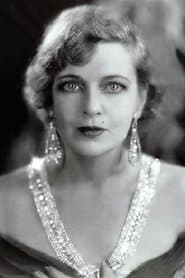
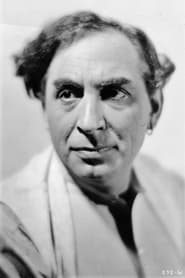
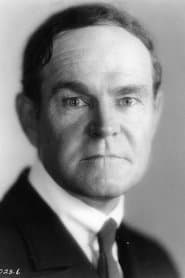
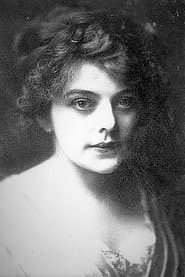
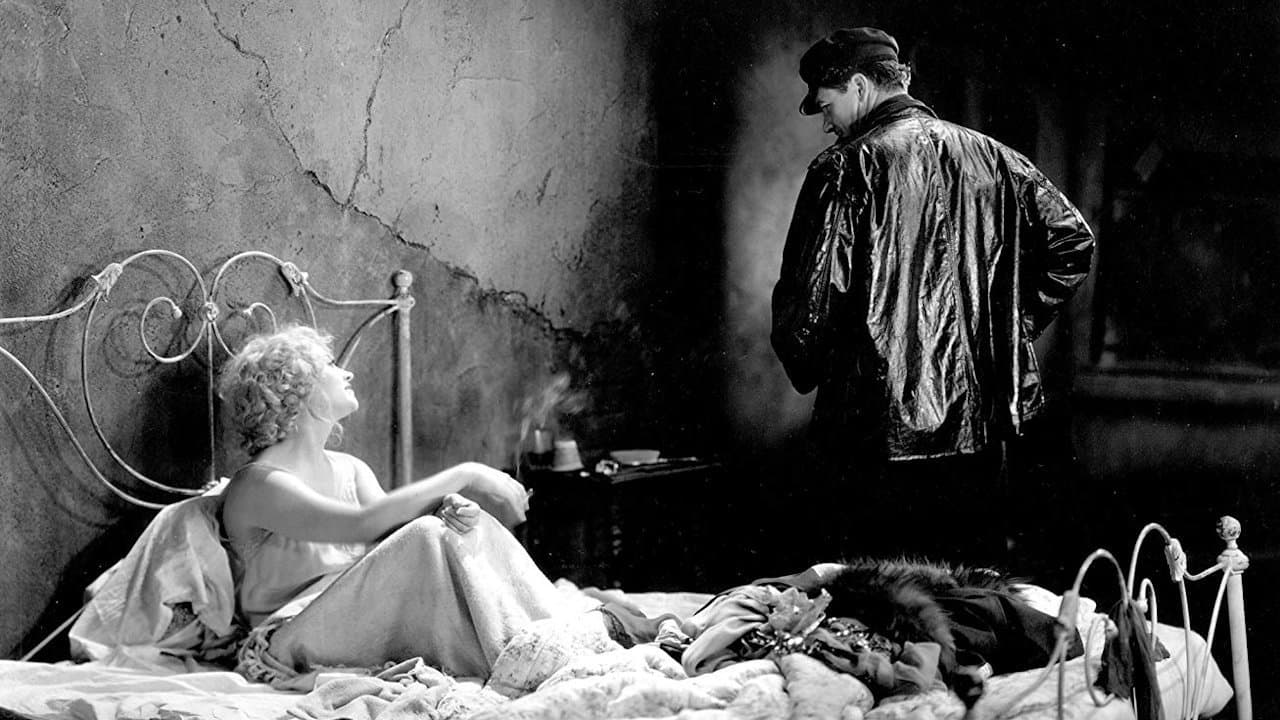
Josef von Sternberg, Paramount, 1928. George Bancroft is a stoker on a night ashore who pulls Betty Compson out of the water and, before morning, has married her in a waterfront saloon. Olga Baclanova is the wife already attached to his shipmate. Harold Rosson photographed fog, sweat, and the back room. Seventy-six minutes. Sternberg treats the plot as an excuse for faces in smoke. Compson’s attempted suicide is the opening, not the finish. A working-night picture: nobody has the next week planned. The docks close in as daylight.
Watch The Docks of New York
Public domain presentation
Public Domain Source
Wikimedia Commons · FM-54; File:The Docks of New York (1928).webm; 1442x1080
Available Subtitles
No subtitle tracks are currently listed.
From the Reading Room
Where to Watch
Streaming data by JustWatch