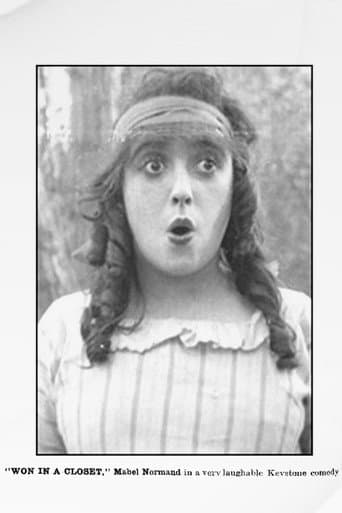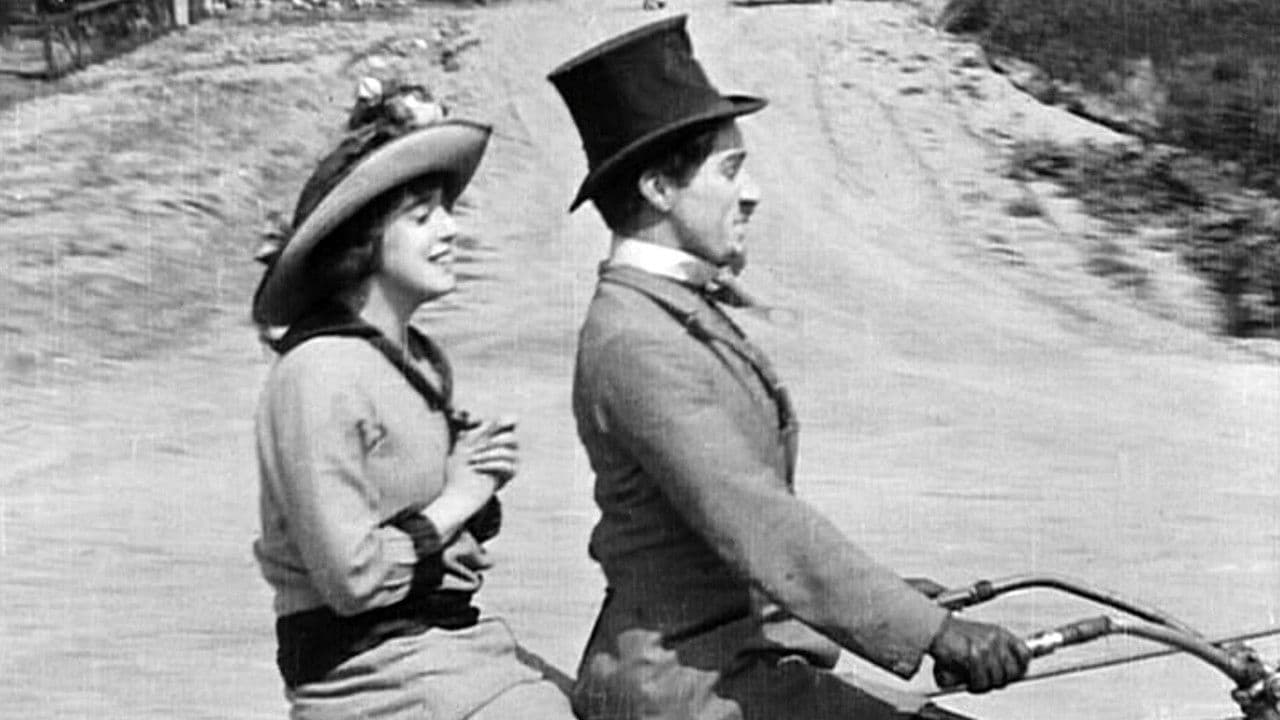
Mabel at the Wheel (1914) is a pivotal Keystone comedy, not for what it achieves on screen but for the power struggle it triggered behind the camera. Directed by Mabel Normand and Mack Sennett, the two-reeler casts Normand as a spirited young woman whose racecar driver boyfriend is kidnapped by a villainous rival, played by Chaplin in one of his last outright antagonist roles. With no driver for the big race, Mabel takes the wheel herself, piloting a 1913 Stutz Bearcat through what appears to be footage shot at the actual Vanderbilt Cup road race in Santa Monica in February 1914. The film is built on the standard Keystone formula of escalating chaos, from motorcycle spills and brick-throwing to tire sabotage, oil slicks, and bombs on the racetrack. Chaplin mugs broadly as the villain, with none of the Tramp’s pathos or ingenuity yet in evidence. The real interest is Normand, who handles the physical comedy with total confidence and reportedly directed the film over Chaplin’s active resistance. Their clashes on set nearly got Chaplin fired from the studio, but the confrontation ultimately led Sennett to grant Chaplin directorial control over his own films, a turning point in cinema history. As a comedy, Mabel at the Wheel runs out of ideas before it runs out of film. As a document of early Hollywood’s working dynamics, including the spectacle of one of the first female directors in the industry going head-to-head with the man who would become its most famous comedian, it remains fascinating.

Charlie Chaplin
Villain (uncredited)

Mabel Normand
Mabel

Harry McCoy
Mabel's Boyfriend (uncredited)

Chester Conklin
Mabel's Father (uncredited)

Mack Sennett
Race Spectator (uncredited)
Dave Anderson
Henchman (uncredited)
Joe Bordeaux
Dubious Character (uncredited)

Mack Swain
Race Spectator (uncredited)
William Hauber
Mabel's Co-driver (uncredited)
Dan Albert
Cheering Spectator (uncredited)

Charles Avery
Spectator in Grandstand (uncredited)

Charley Chase
Race Spectator (uncredited)

Alice Davenport
Spectator in Grandstand (uncredited)

Minta Durfee
Spectator in Grandstand (uncredited)

Edgar Kennedy
Spectator in Grandstand (uncredited)
writer