Frankenstein
1910 · 14 min · US
Directed by J. Searle Dawley
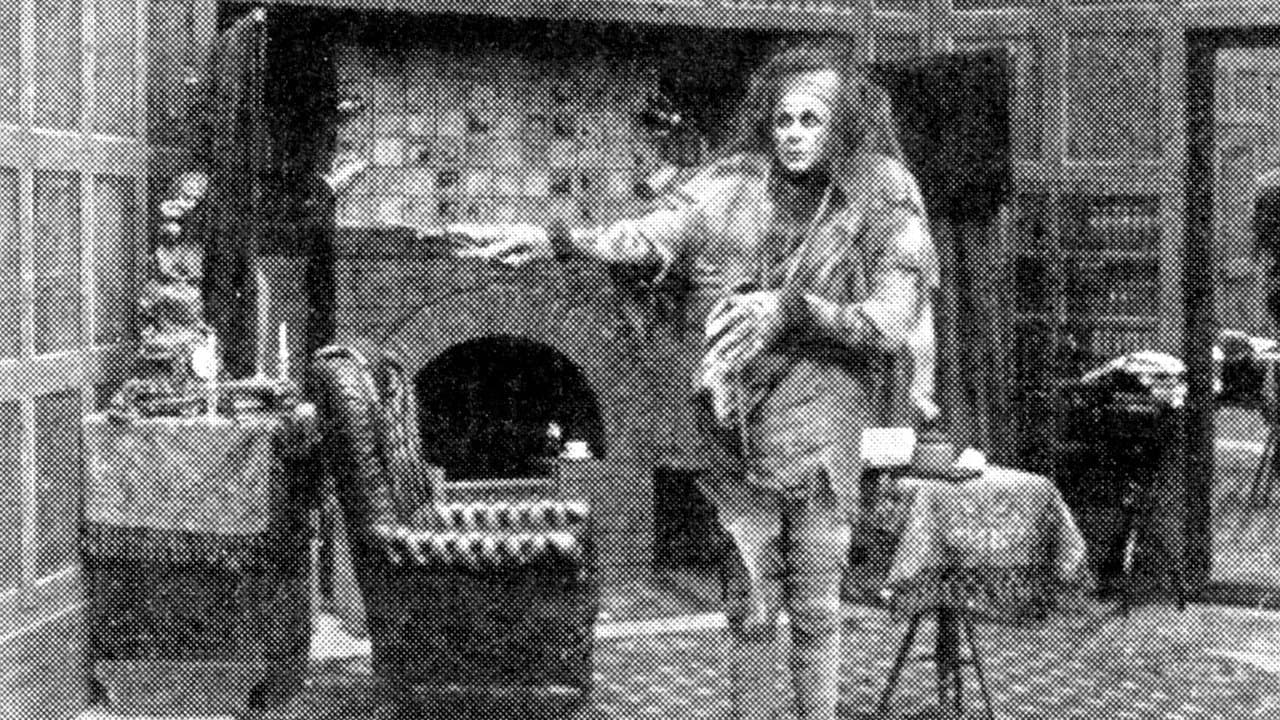
J. Searle Dawley, Edison, 1910. Augustus Phillips as the student, Charles Ogle as the creature, Mary Fuller as the fiancée, sixteen minutes. Frankenstein mixes chemicals; a figure forms in a vat of smoke (a burning dummy run backward). The Edison Kinetogram (15 March 1910) printed Ogle on the cover. Long thought lost, and listed by AFI among the most wanted in 1980. Alois Dettlaff's unique nitrate, bought by the Library of Congress in 2014, was restored in 2018 from that print plus Edison Historic Site credits.
Watch Frankenstein
Public domain presentation
Public Domain Source
Wikimedia Commons · FM-54; File:Frankenstein - Edison Mfg. Co., 1910.webm; 1440x1080
In The Supernatural and the Occult · First Steps
Cast & Crew
Available Subtitles
No subtitle tracks are currently listed.
From the Reading Room
Where to Watch
Streaming data by JustWatch
Cast
Principal players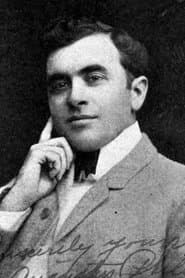
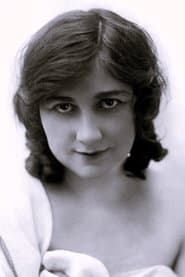
Crew
J. Searle Dawley
writer
James H. White
cinematographer