The Cabbage-Patch Fairy
La Fée aux choux
1896 · 1 min · FR
Directed by Alice Guy-Blaché
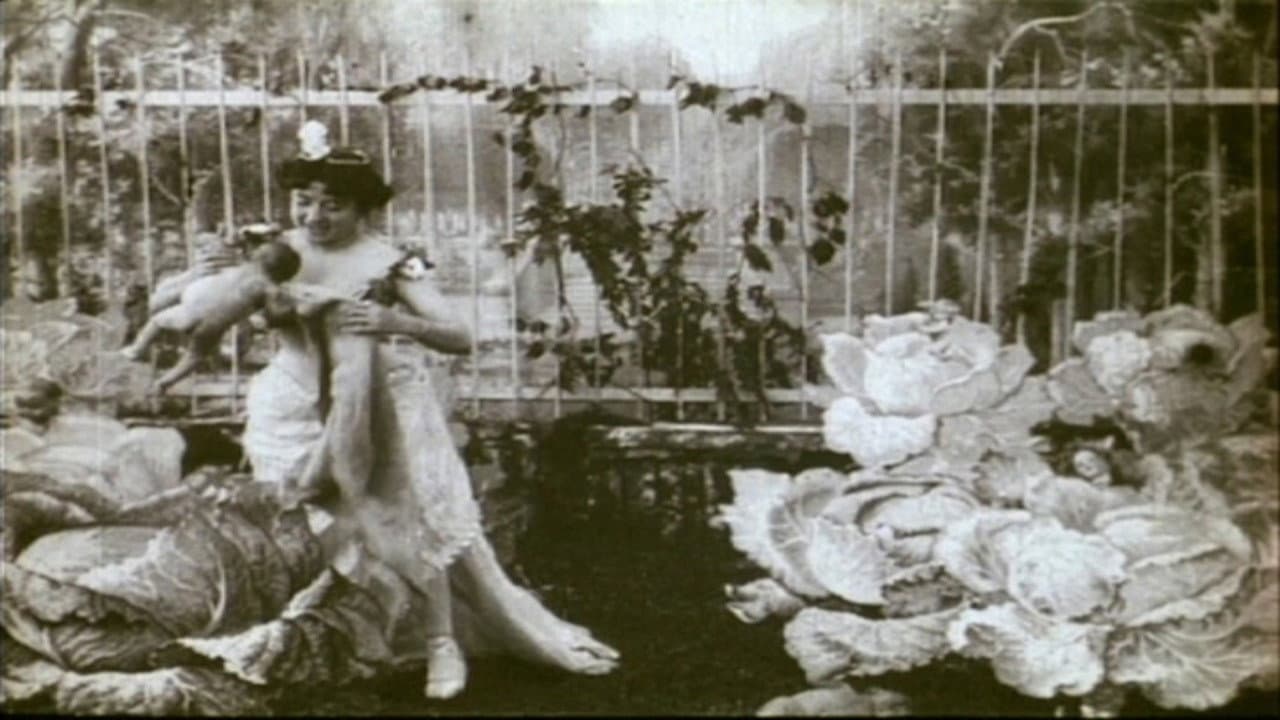
Alice Guy, Gaumont, Paris. A fairy in white lifts living babies from painted cabbages and sets them on the ground; a doll goes back as not ready. About a minute. Guy and Léon Gaumont both dated her first version to 1896; that print is lost. The surviving film, found at the Svenska Filminstitutet in 1996, matches the 1900 Gaumont catalogue: Yvonne Mugnier-Serand in a cabbage patch, no couple. She remade the idea again in 1902 as Sage-femme de première classe.
Watch The Cabbage-Patch Fairy
Public domain presentation
Public Domain Source
English Wikipedia
In Women Pioneers of Silent Cinema · First Steps
Cast & Crew
Available Subtitles
No subtitle tracks are currently listed.
From the Reading Room
Cast
Principal players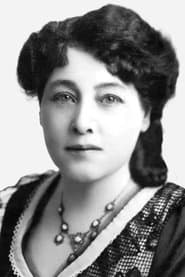
Crew
Alice Guy-Blaché
writer
Alice Guy-Blaché
cinematographer