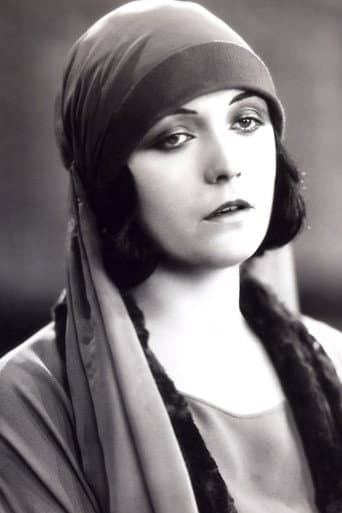
Profile
Pola Negri
1897 – 1987·Lipno, Poland
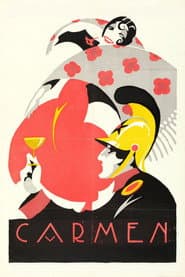
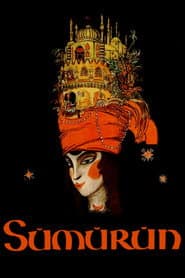
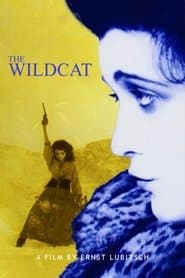
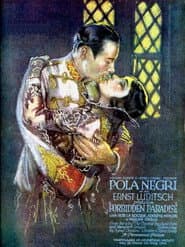
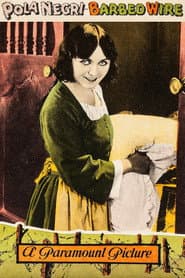
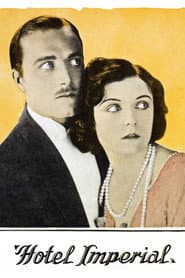
One of cinema’s first truly international stars, Pola Negri blazed a path from the stages of Warsaw to the studios of Berlin and Hollywood, embodying the restless creative exchange between European and American filmmaking in the 1910s and 1920s. Born Barbara Apolonia Chałupiec in Lipno, Poland, she trained as a ballet dancer before turning to theater and film. Her early work in Polish and German cinema caught the attention of Ernst Lubitsch, and their collaboration proved transformative for both. In Carmen (1918), she brought a raw physicality and sensual intelligence to the role that made her a star overnight in Germany. The partnership escalated rapidly: Madame DuBarry (1919) broke through internationally, becoming one of the first post-WWI German films to find a wide American audience and helping establish the historical epic as a major cinematic form. Sumurun (1920) and The Wildcat (1921) showcased her range — from exotic melodrama to antic comedy — while Forbidden Paradise (1924), their final collaboration, translated the Lubitsch touch into a sophisticated Hollywood comedy with Negri as a wry, self-aware Catherine the Great. Paramount recruited her to Hollywood in 1923 — the first major European star to make the crossing. She thrived in the studio system for several years, bringing a Continental sensibility to American productions. Films like Hotel Imperial and Barbed Wire (both 1927) showcased a mature performer capable of grounding melodrama in genuine emotion. Off-screen, her romances with Charlie Chaplin and Rudolph Valentino and her flair for self-presentation made her a tabloid fixture, though the attention often overshadowed her craft. The arrival of sound proved difficult — her accent limited the roles available to her in Hollywood — and her career wound down through the 1930s. But her legacy endures in the films themselves: passionate, technically assured performances that helped define what screen acting could be in cinema’s first great era.