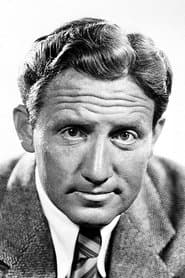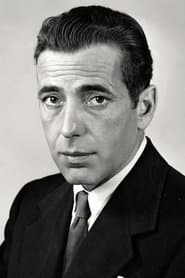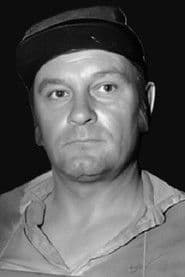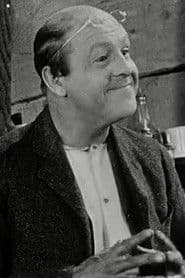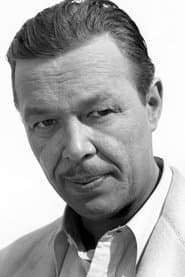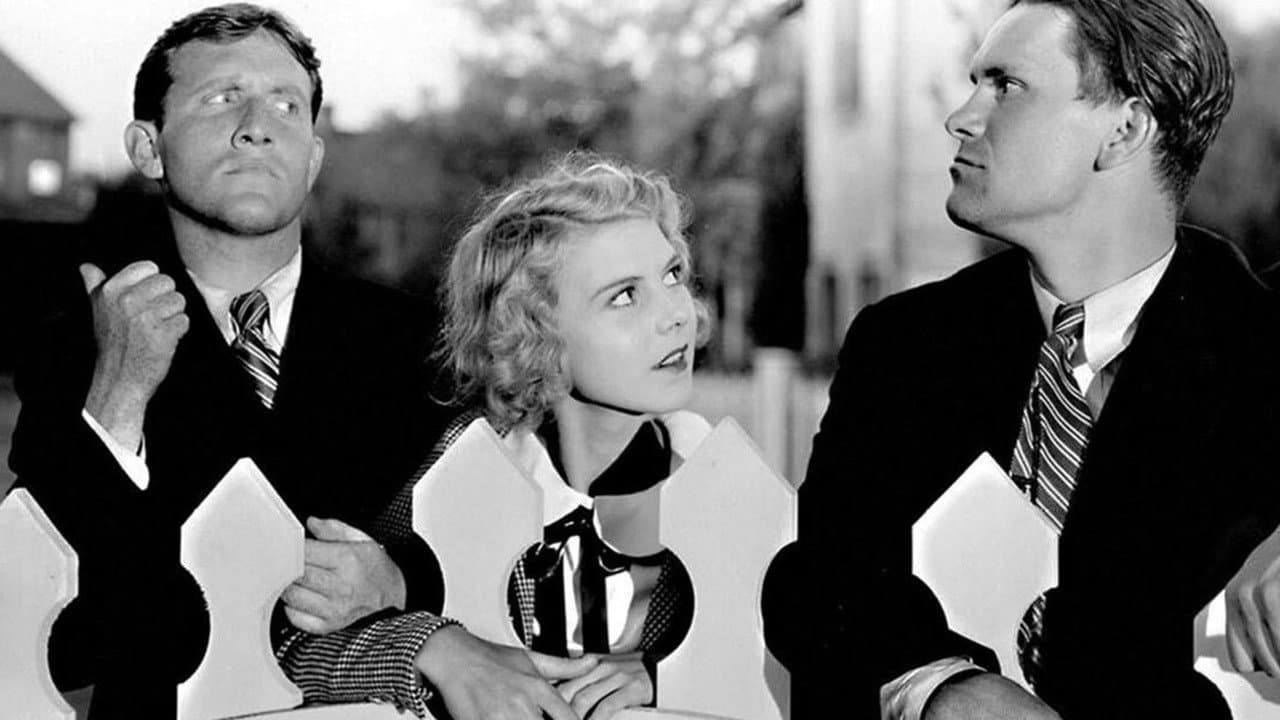
John Ford's Up the River (1930) is a minor film with major historical significance: the feature debut of both Spencer Tracy and Humphrey Bogart, and the only time the two appeared on screen together. Originally conceived as a grim prison drama, the project was hastily reworked into a comedy after MGM's The Big House beat it to theaters. Ford, who thought the original screenplay was "just a bunch of junk," brought in comedian William Collier Sr. to help rewrite, and the result is a loose, good-natured picture built around male camaraderie rather than prison misery. Tracy plays St. Louis, a veteran convict who escapes with his pal Dannemora Dan (Warren Hymer) to rescue a young parolee, Steve (Bogart), from a blackmail scheme, then breaks back into prison in time for the big baseball game against Sing Sing. Tracy is instantly, unmistakably himself, commanding every scene with the relaxed naturalism that would define his career. Bogart, by contrast, is cast against type as a smiling, earnest kid pushed around by everyone, nothing like the screen persona he would develop over the following decade. The only surviving print is a battered, splice-riddled exhibition copy, with missing footage and dialogue cut off mid-sentence. It is a frustrating way to encounter the film, but it also underscores how fragile the early sound period remains. What survives is enough to see Ford's signature warmth toward misfits and outsiders already taking shape, and to witness two of Hollywood's greatest actors at the very start.

Spencer Tracy
Saint Louis

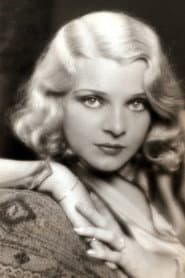
Claire Luce
Judy Fields

Warren Hymer
Dannemora Dan

Humphrey Bogart
Steve Jordan

William Collier Sr.
Pop
Joan Marie Lawes
Jean

Marion Aye
Actress (uncredited)

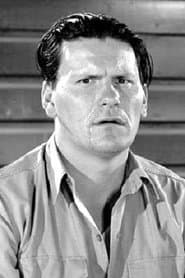
Ward Bond
Inmate Socked by Saint Louis (uncredited)
Joe Brown
Deputy Warden (uncredited)

Bob Burns
Slim - Bazooka Player (uncredited)

Eddy Chandler
Guard (uncredited)

Edythe Chapman
Mrs. Jordan (uncredited)

Harvey Clark
Nash (uncredited)

Dick Curtis
New Inmate (uncredited)

Mike Donlin
Upstate Baseball Manager (uncredited)
writer
cinematographer