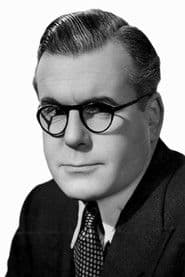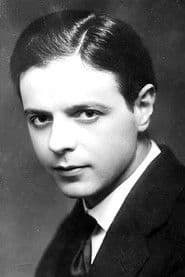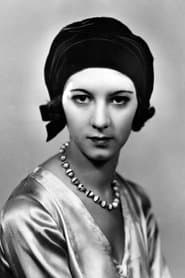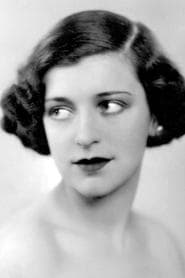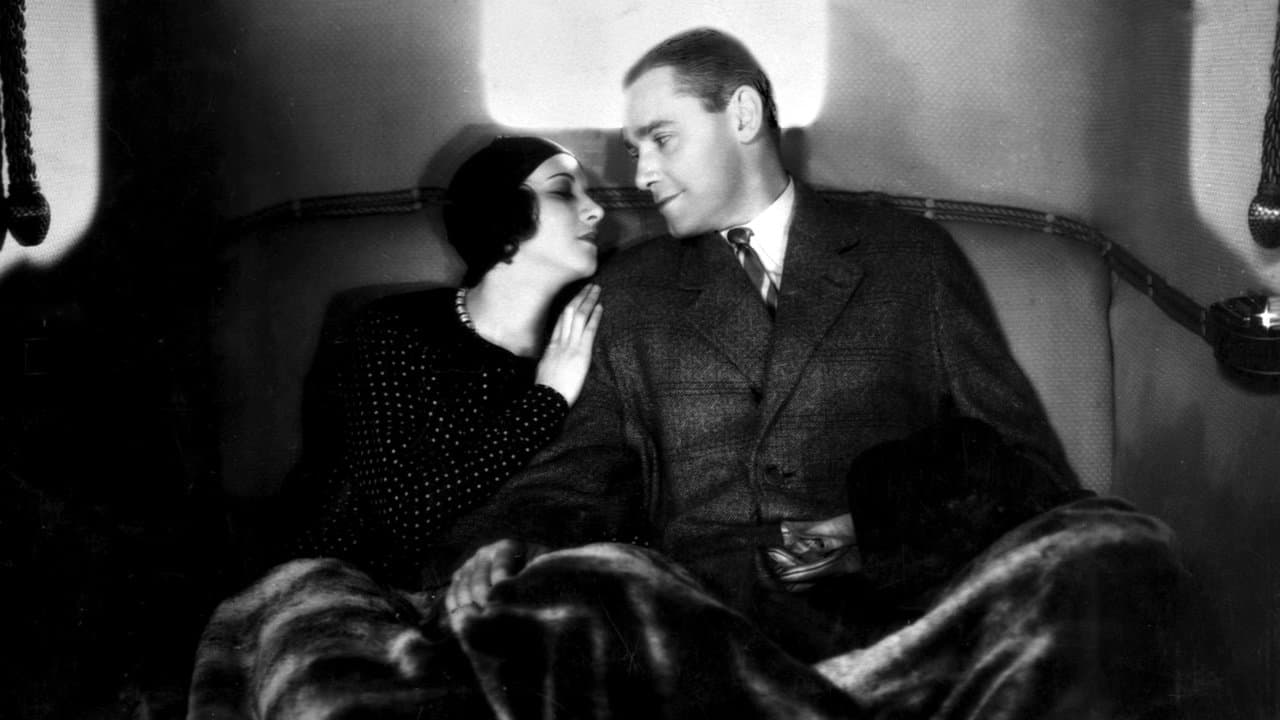
Hitchcock's ingenious early whodunit — and one of his most underrated British films. When actress Diana Baring is found in a daze beside her colleague's murdered body, she's convicted on circumstantial evidence. But one juror, a famous actor-manager (Herbert Marshall, suavely compelling), believes she's innocent and launches his own investigation into the theatrical company's secrets. The film is packed with characteristically Hitchcockian touches: a brilliant jury-room sequence where social pressure overrides individual doubt, a circus trapeze act that doubles as a murder confession, and a stream-of-consciousness voiceover — one of the earliest in cinema — that lets us hear Marshall's inner thoughts as he shaves. The backstage theatrical setting anticipates Stage Fright by two decades, and the film's meditation on performance, guilt, and the gap between appearance and truth is pure Hitchcock.
cinematographer
composer
Miss Mitcham