Blackmail
1929 · 86 min · GB
Directed by Alfred Hitchcock
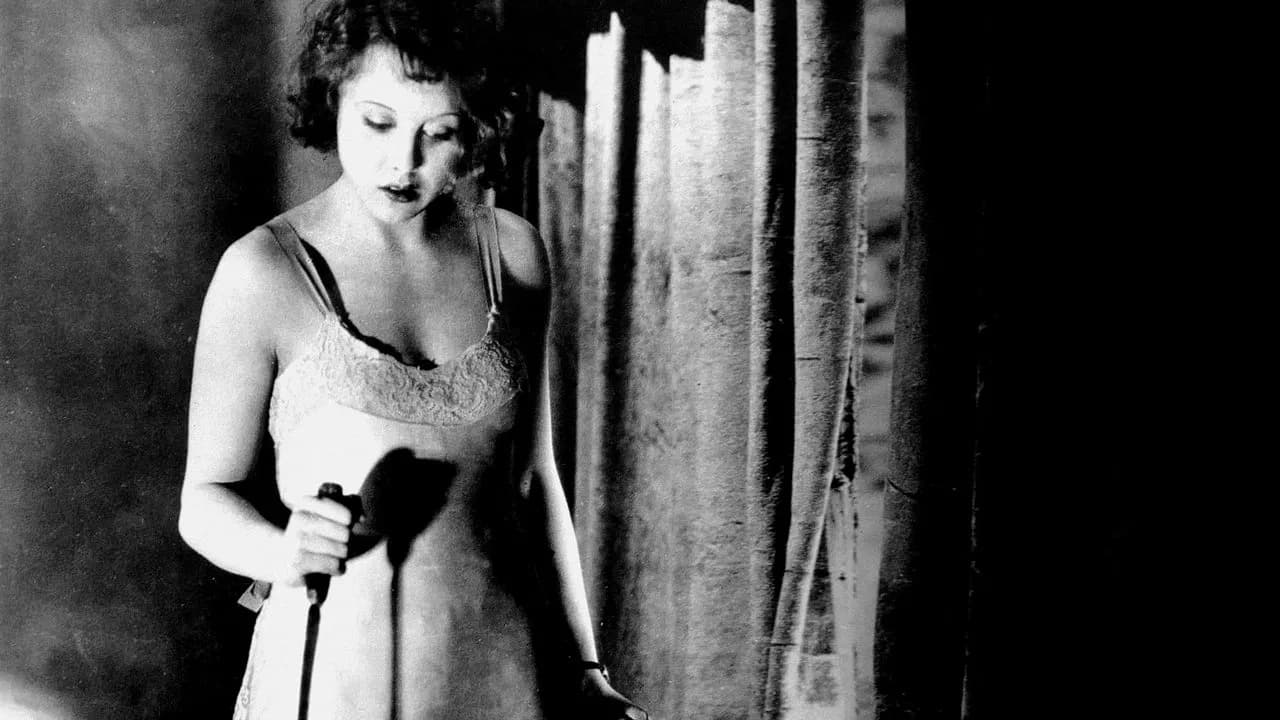
Hitchcock, BIP, 1929, from Charles Bennett's play. Alice White (Anny Ondra) kills a man who assaults her. Her detective boyfriend covers it. A petty crook saw her leave. BFI calls this Hitchcock's and Britain's first full-length sound film; a silent cut went out for houses that had no speakers. Ondra's Czech accent was judged wrong for a London grocer's daughter, so Joan Barry spoke the lines off camera while Ondra mouthed them. The breakfast table turns the word "knife" into a weapon. The chase ends in the British Museum.
Watch Blackmail
Public domain presentation
Public Domain Source
OlsonElijah
In The Arrival of Sound · Early Hitchcock
Available Subtitles
No subtitle tracks are currently listed.
From the Reading Room
Where to Watch
Streaming data by JustWatch
Cast
Principal players
Crew
Alfred Hitchcock
writer
Hubert Bath
composer
Jack E. Cox
cinematographer
Michael Powell
writer
Jimmy Campbell
composer
Reginald Connelly
composer