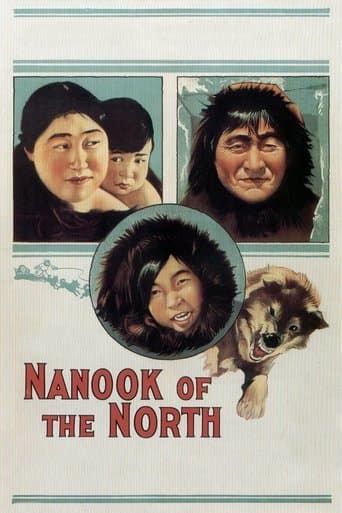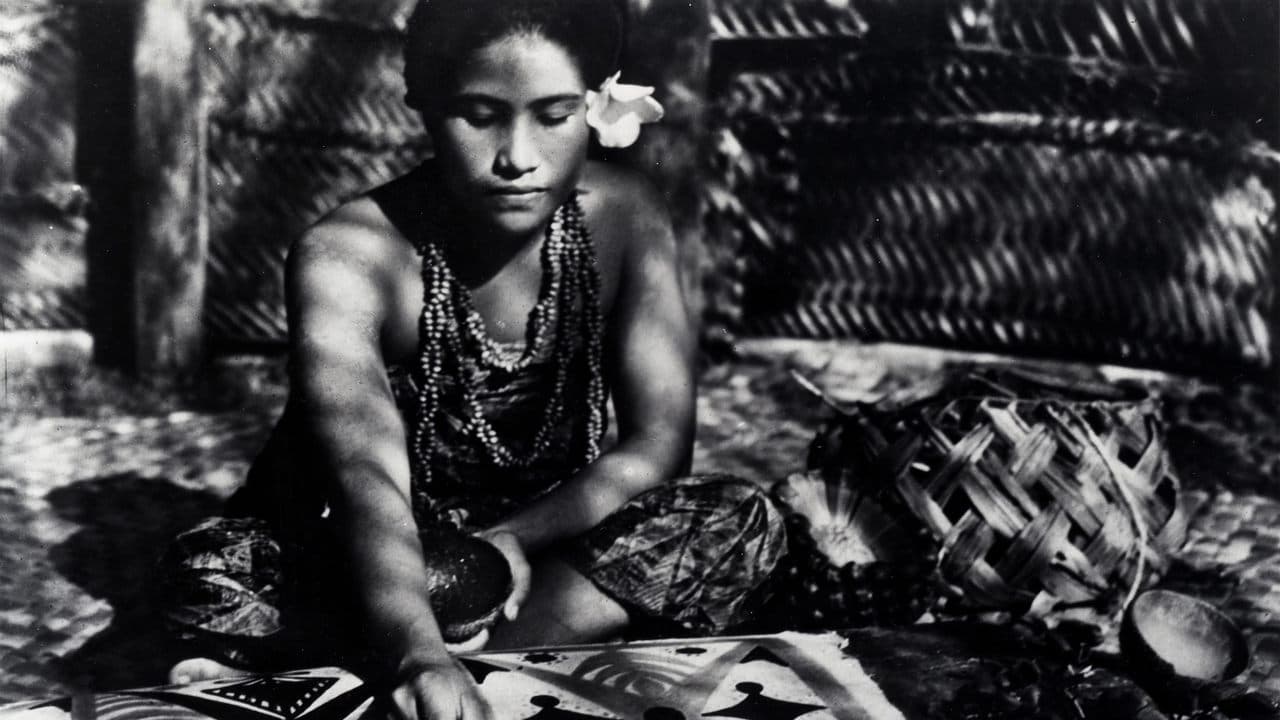
Robert Flaherty’s Moana (1926) is the film that gave us the word “documentary,” coined by John Grierson in his review for the New York Sun, though the label only partially captures what Flaherty was doing. Sent to Samoa by Paramount to deliver “another Nanook,” Flaherty spent over twenty months on the island of Savai’i with his wife and collaborator Frances, living in the village of Safune and shooting what amounts to a lyrical, staged reconstruction of traditional Polynesian life rather than a straightforward record of it. The film follows the young man Moana and his family through the rhythms of daily existence, from hunting and fishing to the preparation of a ceremonial feast, building toward a climactic tattooing ritual that marks Moana’s passage into manhood. The tattooing had largely fallen out of practice under missionary influence by the 1920s, and Flaherty paid his subject to undergo the painful procedure for the camera, a characteristic move from a filmmaker who saw no contradiction between staging and truth. The results are visually extraordinary. Flaherty pioneered the use of panchromatic film stock, producing images of tonal depth and luminous clarity that remain striking a century later. The tensions that define Flaherty’s work are fully present here. His romanticized vision of pre-contact Samoan culture is both genuinely beautiful and undeniably a projection, a Western artist constructing an Eden that may never have existed in quite these terms. Paramount, baffled by the film’s contemplative pace, marketed it absurdly as “The Love Life of a South Sea Siren” and gave it only a limited release. It was a commercial failure. But as a founding work of nonfiction cinema, and as a document of one filmmaker’s stubborn belief that the camera could reveal something essential about how people live, Moana remains indispensable.
writer
cinematographer
composer
cinematographer
writer
writer