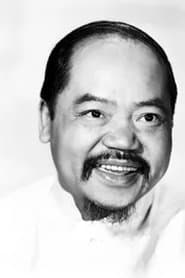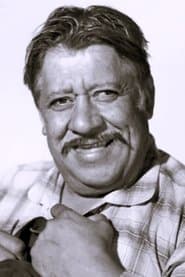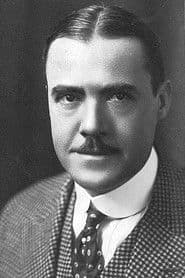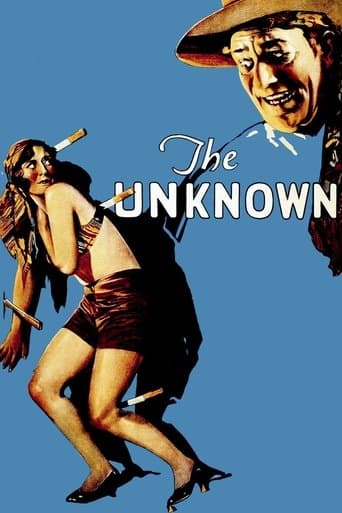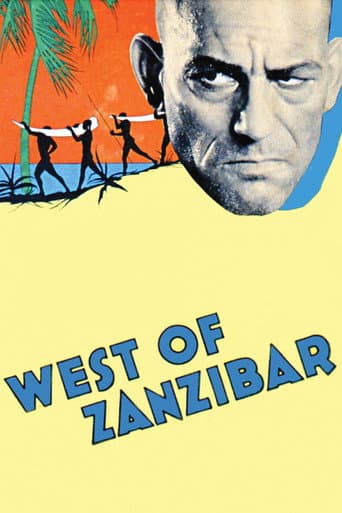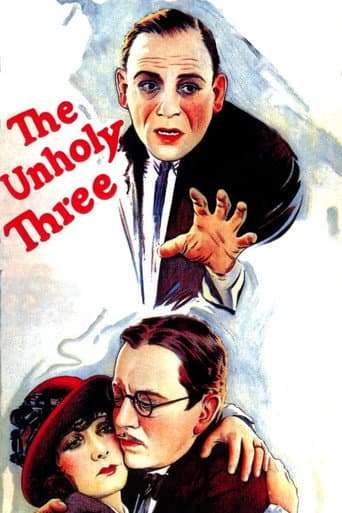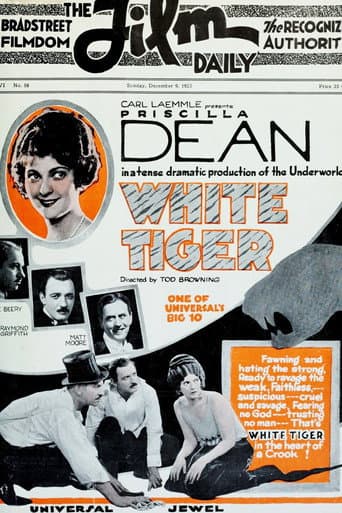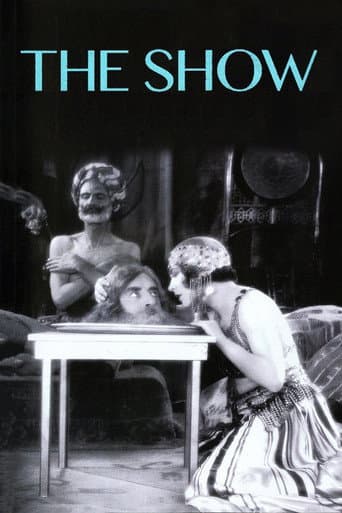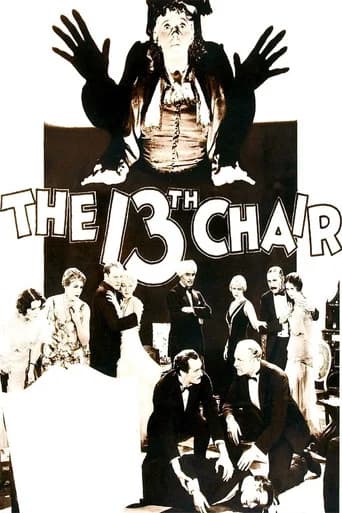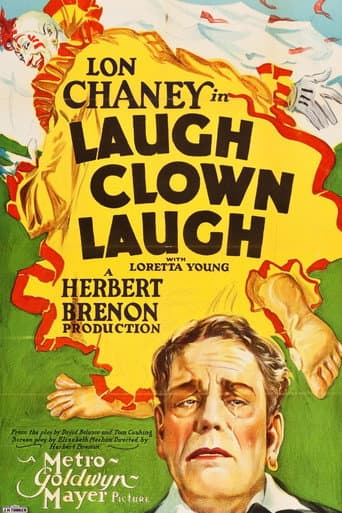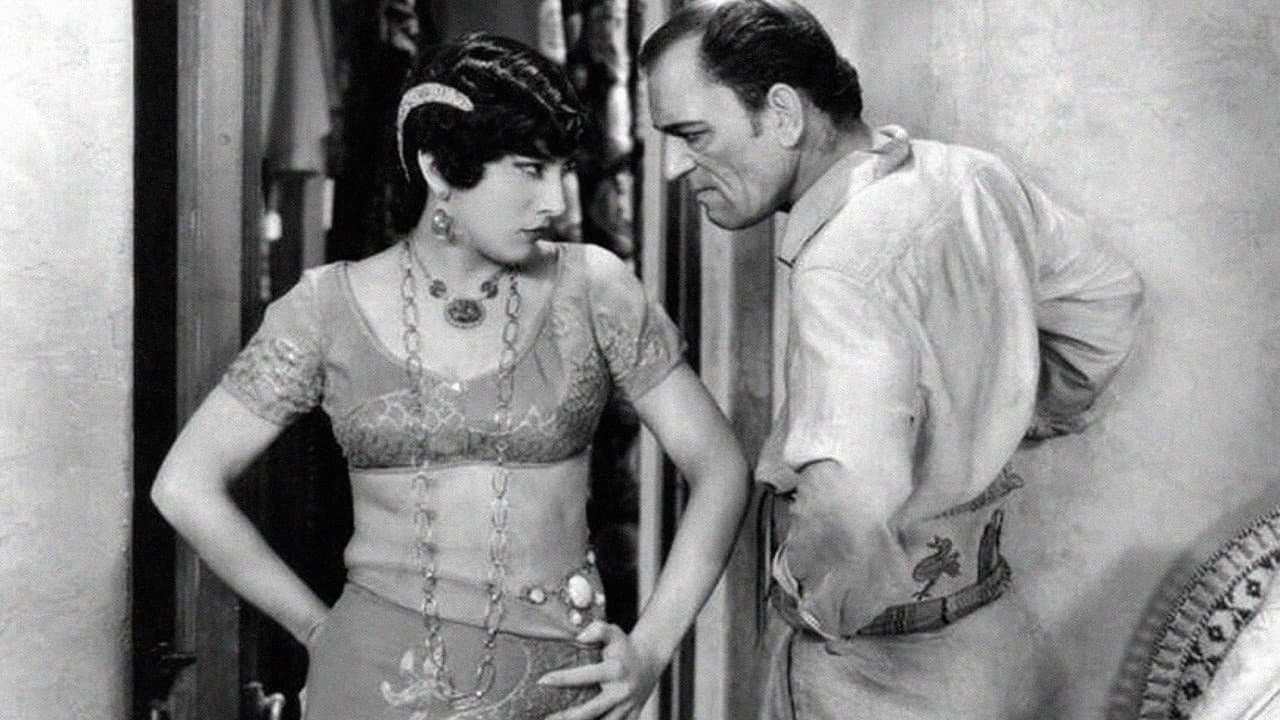
The tenth and final collaboration between Tod Browning and Lon Chaney closes a decade-long partnership that helped define the grotesque imagination of late silent Hollywood. Set in French Indochina, Where East Is East casts Chaney as “Tiger” Haynes, a scarred animal trapper whose intensely possessive bond with his half-Asian daughter Toyo (Lupe Vélez) is fractured by the arrival of two outsiders: her young American fiancé Bobby Bailey (Lloyd Hughes), and her long-absent mother Madame de Sylva (Estelle Taylor), a “spider woman” who promptly sets about seducing her own daughter’s intended. Released seven months after The Jazz Singer had remade the industry, the film arrived as a “stillie” — a silent picture in a marketplace already turning toward sound — and several contemporary critics dismissed it on those grounds. Browning was working within a formula he and Chaney had refined across The Unholy Three (1925), The Unknown (1927), and West of Zanzibar (1928): exoticist melodrama threaded with mutilation, sexual transgression, and the parental revenge plot. Here the formula is markedly subdued. Chaney’s Tiger is, atypically, a fundamentally decent man, and the film’s psychological violence is displaced onto Bobby and onto Madame de Sylva. The famous Browning eccentricity arrives only in the final reel, when Tiger releases a caged gorilla — a creature that conveniently shares his hatred of his ex-wife — to resolve the love triangle by force. What lingers, beneath the pulp, is the queasy undercurrent the film never quite names. Tiger and Toyo’s “playful” feline games, his jealousy of Bobby, the mirroring of mother and daughter as rival objects of the same young man’s desire — these compose what one critic has called a crypto-incestuous geometry, with Madame de Sylva functioning as the return of everything Tiger has repressed. Estelle Taylor’s performance — narrow-eyed, languid, voracious — gives the film its center of gravity, and Vélez supplies its volatile, charismatic heat. Chaney, in what would be his penultimate silent role, plays the wounded patriarch with restraint that reads almost as resignation. The film’s Orientalism is unembarrassed and at times painful: white actresses in yellowface, a studio-built jungle, and a moral universe in which “the East” itself is figured as a corrupting force. These are not incidental flaws but constitutive of the genre Browning was working in, and any honest engagement with the film has to hold them in view alongside its formal accomplishments — which are real. The compositions are precise, the use of live animals genuinely striking, and the gorilla sequence a small marvel of practical artifice (the gorilla, as in many films of the period, is Charles Gemora in a suit). Where East Is East is minor Browning, and probably minor Chaney. But it is also the closing chapter of one of the most distinctive director-star partnerships in American cinema — Chaney would die of throat cancer the following year, having made only two more films, one of them his sole talkie. As a coda to that body of work, the film carries a weight its modest plot would not otherwise bear.

Lon Chaney
Tiger Haynes

Lupe Vélez
Toyo Haynes

Estelle Taylor
Mme. de Sylva

Lloyd Hughes
Bobby Bailey
Louis Stern
Padré Angelo
Mrs. Wong Wing
Ming

Willie Fung
Servant (uncredited)

Charles Gemora
Rangho the Gorilla (uncredited)
Duke Kahanamoku
Wild Animal Trapper (uncredited)
Mademoiselle Kithnou
de Sylva's Maid (uncredited)

Chris-Pin Martin
Native Hunter (uncredited)

Richard Neill
Rangho the Gorilla (uncredited)