
Soviet Montage
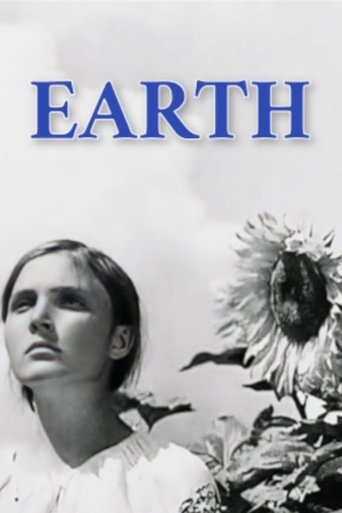
After 1917 a group of Soviet directors treated the cut as the argument, not the glue. Kuleshov showed that the same face, next to soup or a corpse, seemed to change expression. Eisenstein wanted collision. Pudovkin wanted linkage. Vertov wanted no actors. Dovzhenko mostly ignored the debate and filmed sunflowers. The films run roughly in release order, so the argument builds as it happened. Aelita comes first as the thing they were reacting against: Constructivist costumes on a conventionally cut melodrama. Then the theory arrives in quick succession, loudest on the Odessa Steps and quietest in By the Law, three people in a Yukon cabin, the same idea without a crowd. The comedies are here too, because Kuleshov's workshop and Barnet used the method for laughs. By 1929 the state wanted clearer morals and fewer experiments. Earth is the last lyric before that door closed.
20 films
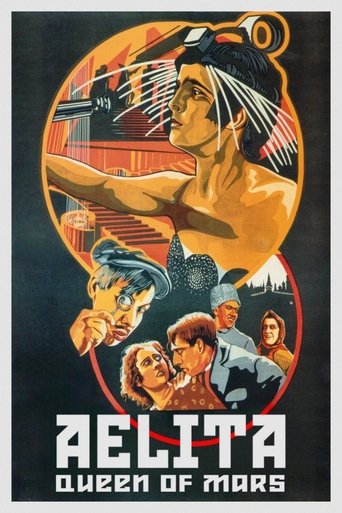
Aelita: Queen of Mars
1924 · Yakov Protazanov
The baseline. Protazanov cuts like the pre-revolutionary professional he was, and all the novelty is in the costumes. The new cinema starts by refusing exactly this.
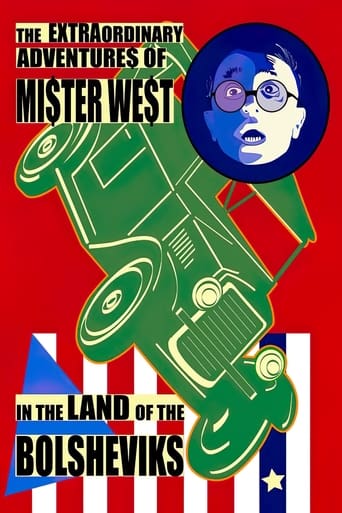
The Extraordinary Adventures of Mr. West in the Land of the Bolsheviks
1924 · Lev Kuleshov
Kuleshov's workshop in a comedy, and the method is American: fast cuts, stunts, a cowboy loose in Moscow. Half the movement is in the cast.
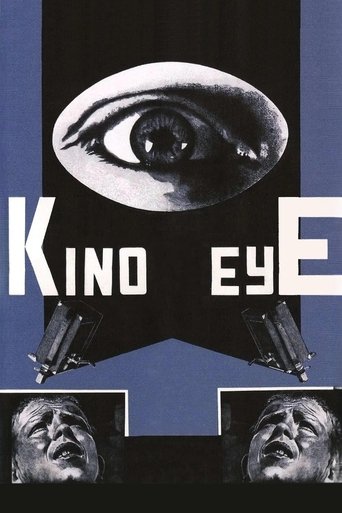
Kino Eye
1924 · Dziga Vertov
The method announced in public. Cruder than Man with a Movie Camera, and the crudeness is the manifesto.
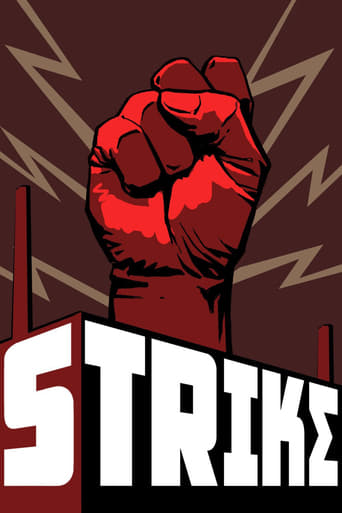
Strike
1925 · Sergei Eisenstein
Eisenstein's first feature, and the collision theory's first test at length. Everything the steps in Potemkin do, he tried here first, with more jokes and less control.
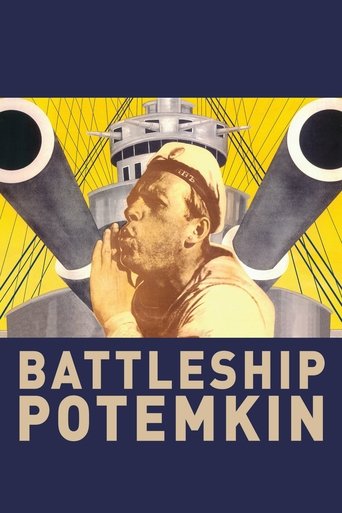
Battleship Potemkin
1925 · Sergei Eisenstein
The steps at full volume. The meaning is in the joins, and the ending is the one the rest of the film was built to earn.
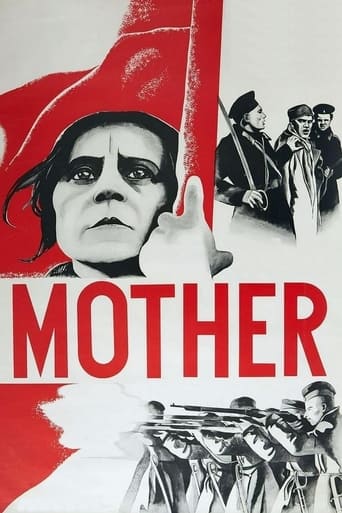
Mother
1926 · Vsevolod Pudovkin
Pudovkin's answer to Eisenstein: linkage, not collision. The shots build on each other until the politics arrive as weather.
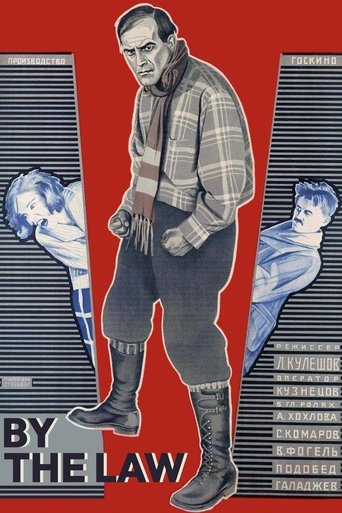
By the Law
1926 · Lev Kuleshov
The same idea with three people. No crowds, and it is the most nervous film in the collection.
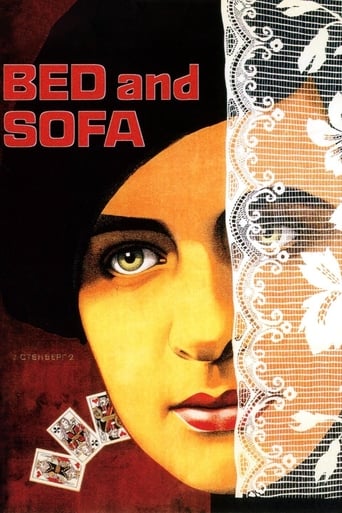
Bed and Sofa
1927 · Abram Room
The montage generation looking indoors. One room, three people, and a woman the film sides with over both men.
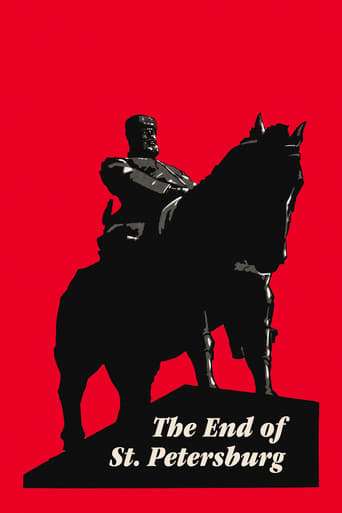
The End of St. Petersburg
1927 · Vsevolod Pudovkin
Pudovkin's anniversary picture, the same events as October carried by one man. Watch how often the city's statues get the reaction shot.
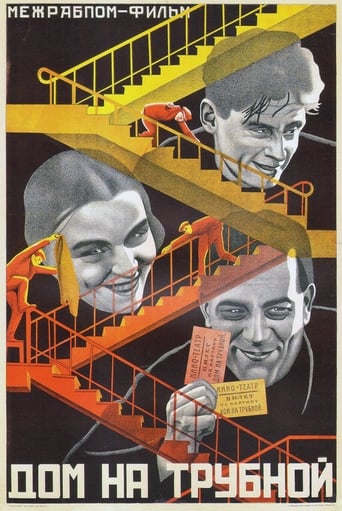
The House on Trubnaya
1928 · Boris Barnet
The comedy wing of the movement. Barnet cuts at a speed the theorists would have envied and spends it on a landlord joke.
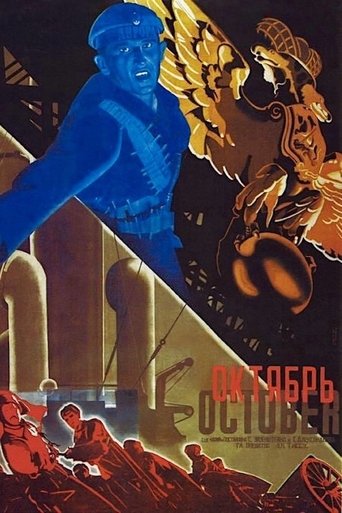
October (Ten Days that Shook the World)
1928 · Sergei Eisenstein, Grigori Aleksandrov
Theory outrunning the audience. Trotsky was cut out after it was made, which is montage of another kind.
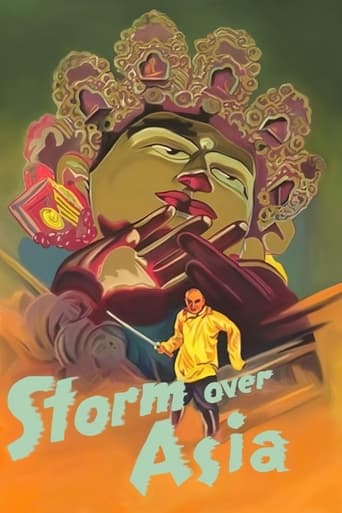
Storm Over Asia
1928 · Vsevolod Pudovkin
A western in Soviet clothes. The fur-trading scene, the price of one pelt, is everything after it at small scale.
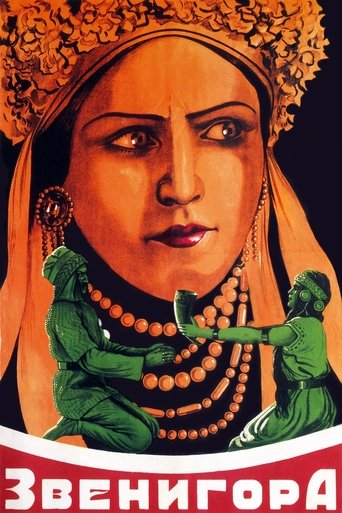
Zvenyhora
1928 · Oleksandr Dovzhenko
Dovzhenko arrives and ignores the debate. The cutting follows a dream's logic, not a thesis. Eisenstein admired it and could not have made it.
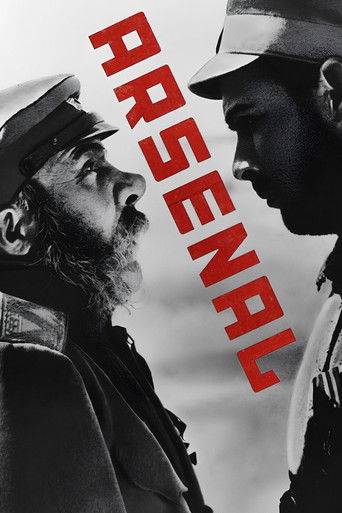
Arsenal
1929 · Oleksandr Dovzhenko
The second panel of Dovzhenko's trilogy. A newsreel and a folk song in the same reel, and he refuses to say which is which.
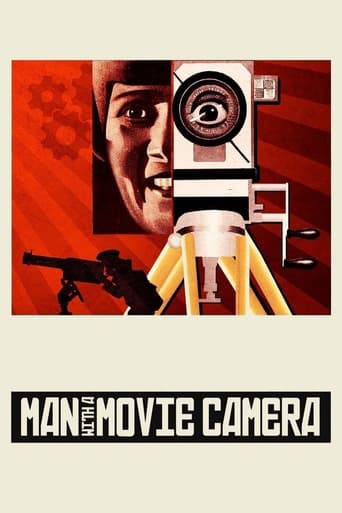
Man with a Movie Camera
1929 · Dziga Vertov
Vertov's whole argument in one film, with the camera as the hero. Where Eisenstein wanted collision, Vertov wanted the machine to see.
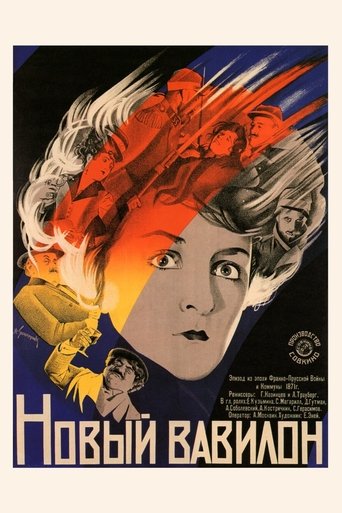
The New Babylon
1929 · Grigori Kozintsev, Leonid Trauberg
The Factory of the Eccentric Actor takes on a massacre. Shostakovich wrote his first film score for it, and it fought the picture in some houses.

Fragment of an Empire
1929 · Fridrikh Ermler
Montage from inside one man's head. Where Eisenstein argued, Ermler simulates.
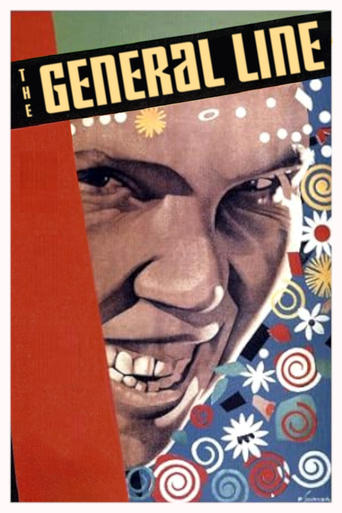
The General Line
1929 · Sergei Eisenstein, Grigori Aleksandrov
His last silent. The Party changed the line on the countryside during production and the title changed with it. The separator is where form outruns the assignment.
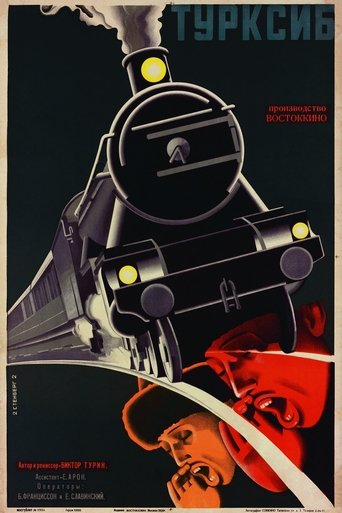
Turksib
1929 · Victor Turin
Montage without actors or a crowd to argue with. John Grierson prepared the English version, and the British documentary movement took notes.